the wire · #gadgets · 2026-10-28
New M6 Macs buck Apple’s second wave of price hikes
Cech This Review
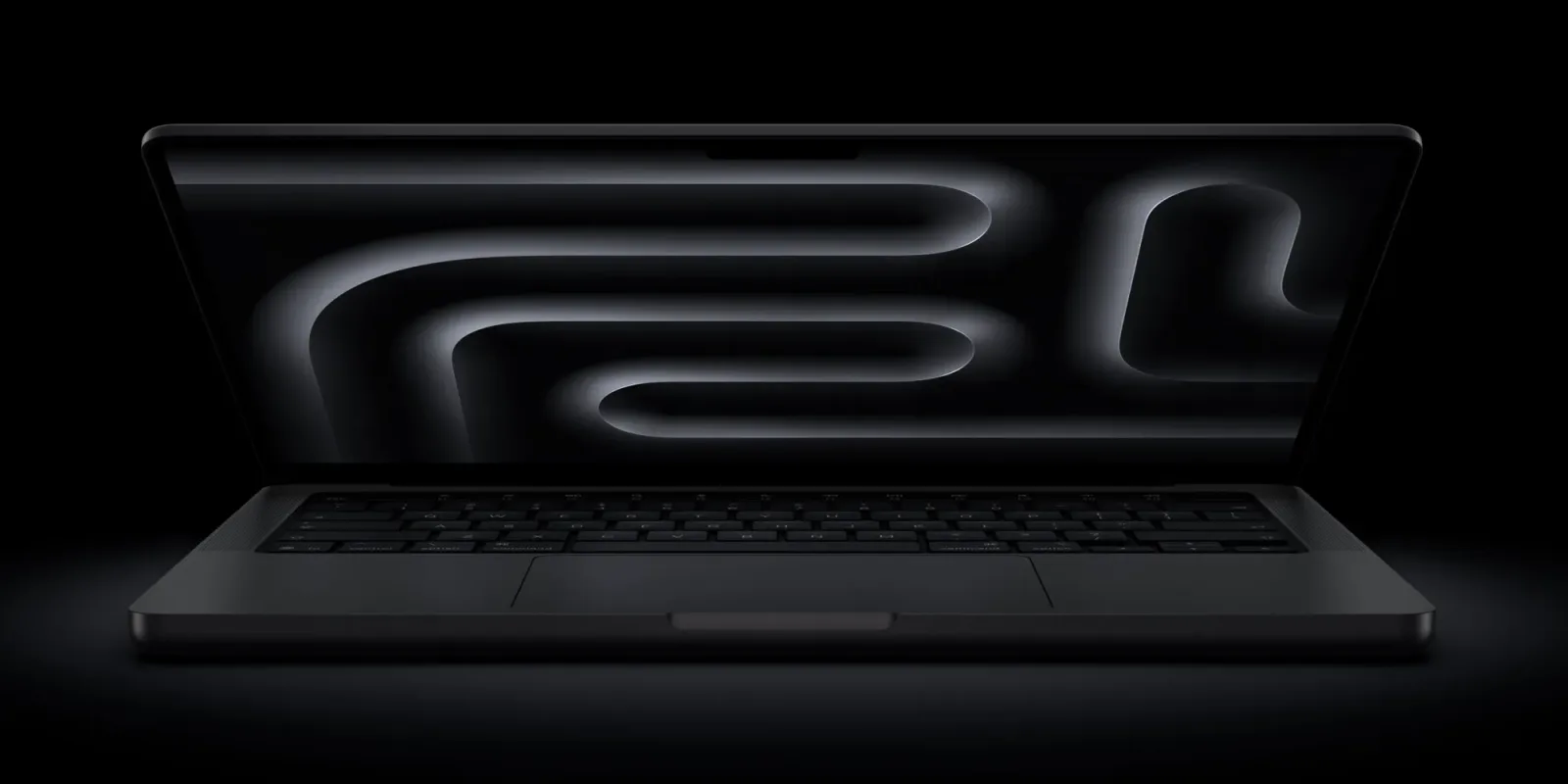
Apple has just dropped a curveball that the rest of the tech industry might not see coming. The company announced its new M6-powered iMac and 14-inch MacBook Pro, and for once, the headline is not about a price hike. According to recent reports, these new machines retain the exact same price points as their predecessors despite significant specification bumps. This is a rare moment of goodwill in a market that has grown accustomed to annual inflation on consumer electronics.
We have watched with growing frustration as major players, including Apple itself, have quietly raised prices on iPhones, iPads, and even some Mac models over the last few years. Supply chain costs, tariffs, and the immense expense of developing custom silicon have all contributed to this upward trend. Consumers have largely accepted these increases as the new normal for premium hardware. It feels like a small victory when a company decides to absorb those costs instead of passing them on to the buyer.
The M6 chip itself represents a substantial leap in performance and efficiency. Apple is leveraging its latest architecture to deliver faster processing speeds and better energy management. Normally, such a generational leap would justify a price increase, especially given the current economic climate. Yet, Apple has chosen to keep the entry price flat. This suggests they are prioritizing market share and ecosystem lock-in over immediate hardware margin expansion.
This decision likely reflects the intense competitive pressure in the laptop and desktop markets. Windows-based laptops have become incredibly capable, often offering better value for money in the mid-range segment. By keeping prices stable, Apple is making a strong statement about the value proposition of its ecosystem. It forces competitors to either match the performance at the same price or risk losing customers who are becoming more price-sensitive.
For AI enthusiasts and professionals, this pricing strategy is particularly interesting. The M6 chip is designed with neural engine capabilities that accelerate machine learning tasks. Keeping the price stable means that more users can access this hardware without a significant budget increase. This could accelerate the adoption of local AI models and tools that require powerful on-device processing. It lowers the barrier to entry for developers and creators who want to experiment with AI workflows.
The broader implication here is a potential shift in Apple's hardware strategy. If this approach proves successful, we might see a more aggressive stance on pricing across other product lines. It could also pressure other manufacturers to reconsider their own pricing models. The tech industry is currently in a delicate balance between innovation costs and consumer affordability. Apple's move might just be the catalyst for a more consumer-friendly era in hardware sales.
What this means for you is that now is a strategic time to consider upgrading your workstation if you rely on local AI processing. The combination of stable pricing and improved neural engine performance makes the M6 Macs a compelling option. You can try this workflow with an AI assistant to optimize your local model settings. Ask your AI tool to generate a list of quantized models suitable for the M6 chip and provide a step-by-step guide for installing them on macOS. This will help you maximize the hardware's potential without spending extra on cloud services.
Reporting basis: original story
← back to The Wire