the wire · #ai · 2026-10-28
xAI is buying out homeowners who promise not to sue over data center noise
Cech This Review
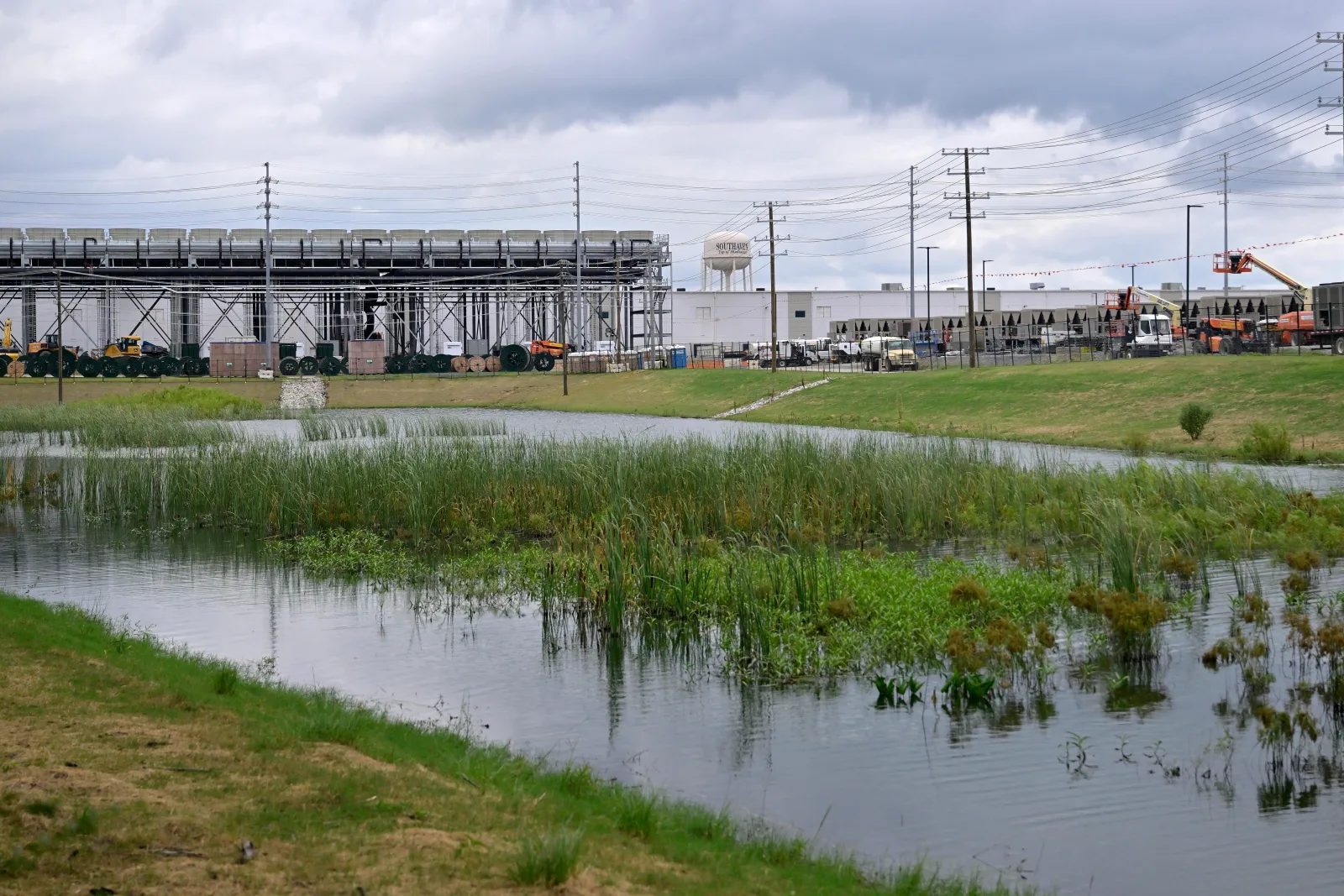
The expansion of artificial intelligence infrastructure is no longer just a story about servers and chips. It is becoming a story about real estate, community displacement, and legal maneuvering. According to The Guardian, xAI, the company founded by Elon Musk, is actively purchasing homes in Southaven, Mississippi. The goal is straightforward yet unsettling. They want residents to sign agreements promising not to sue over the noise generated by their massive data center and power plant.
This is not a standard corporate acquisition. A local realtor has been going door to door, reportedly targeting 418 homes in the neighborhood. The pressure is already visible. Eighteen homeowners have already agreed to sell. Meanwhile, renters are facing immediate displacement. Landlords who have agreed to sell are giving tenants just sixty days to leave. This rapid turnover suggests a coordinated effort to clear the area before the facility becomes fully operational.
The core issue here is the sheer physical footprint of modern AI. Data centers require immense amounts of power and cooling. This results in constant noise from generators and cooling systems. For the people living next door, this is a quality of life issue. For xAI, it is a liability risk. By buying the homes and securing legal waivers, the company is attempting to neutralize potential lawsuits before they even start.
This strategy raises serious questions about corporate power and community rights. It sets a precedent for how tech giants might handle local opposition. Instead of engaging in dialogue or mitigating noise, they are buying out the opposition. This approach treats residents as obstacles to be removed rather than stakeholders to be consulted. It reflects a broader trend in the tech industry where speed and scale often trump local concerns.
The implications for the AI industry are profound. As demand for compute power grows, we will likely see more of these land grabs. Communities near data centers may find themselves with little recourse. The legal framework for noise pollution and eminent domain may need to evolve. We are entering an era where digital infrastructure has tangible, disruptive physical consequences.
This situation also highlights the uneven distribution of AI benefits. The economic gains from AI development are concentrated in the hands of a few companies. The costs, such as noise, pollution, and displacement, are borne by local residents. This imbalance fuels resentment and could lead to stricter regulations. It challenges the narrative that AI is an unalloyed good for society.
What this means for you is that the AI revolution is not abstract. It is happening in your backyard. As an AI professional or enthusiast, you should be aware of the social license these companies are losing. Building tools is only half the job. Understanding the societal impact is equally important. To stay ahead, you need to think beyond code.
Try using an AI assistant to draft a community engagement plan for a hypothetical tech project. Ask the AI to identify potential local concerns and suggest mitigation strategies. This exercise will help you develop the soft skills needed to navigate the complex relationship between technology and society. It is a practical way to prepare for the real world of AI deployment.
Reporting basis: original story
← back to The Wire