#ai-hardware · 2026-04-06
Nothing AI Smart Glasses: Should You Wait for Them?
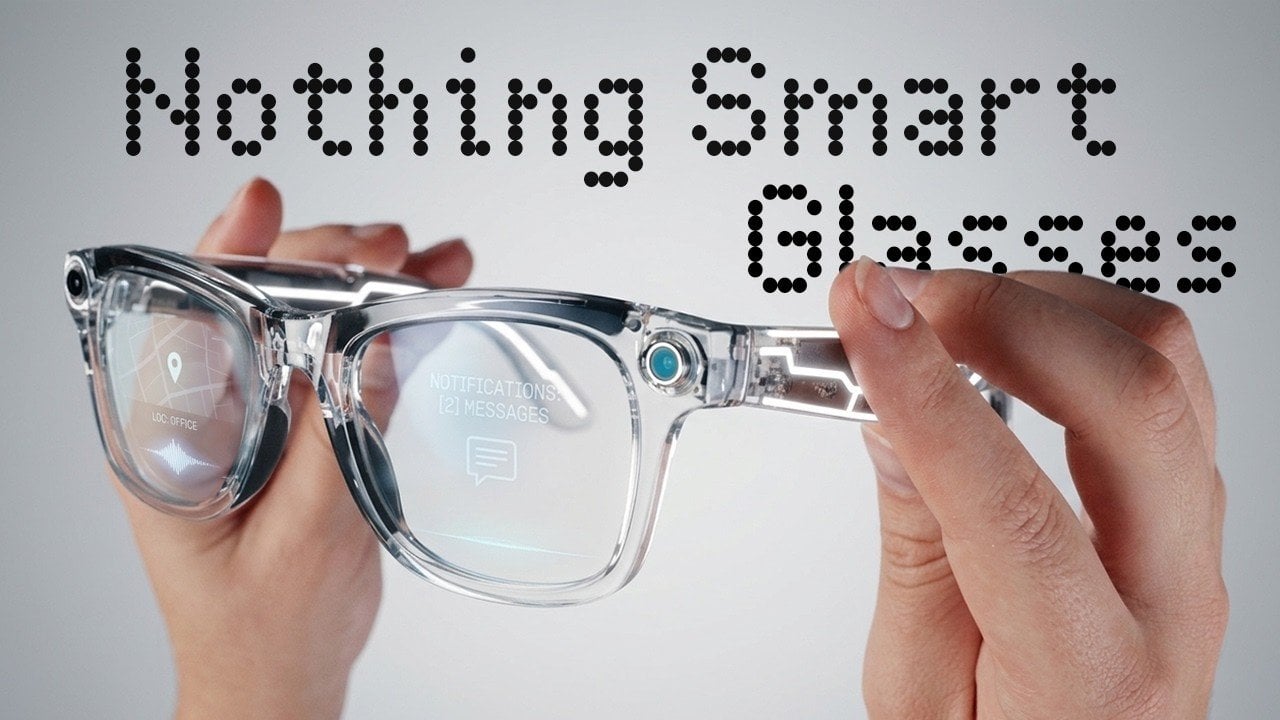
The verdict
This product does not exist yet and is not expected until 2027 at the earliest, making any purchase decision premature.
TBD (estimated $300-$500)
What slaps
- +Smartphone-offloaded processing should keep weight down and battery life up
- +Nothing's design track record suggests genuinely stylish frames
- +Competitive pricing strategy could undercut Meta and Samsung offerings
What stings
- −Product is not available and won't ship until 2027 at the earliest
- −No confirmed specs, pricing, or feature set beyond vague outlines
- −Nothing has zero track record in wearables or AR optics
🚩 Before you buy
- !Product does not exist yet. No confirmed specs, pricing, or ship date.
- !2027 launch window is aspirational and could easily slip.
- !AR overlay claims are completely unspecified. Could mean anything from basic notifications to spatial computing.
- !Nothing has never shipped an optical or wearable face-worn product.
Spec sheet
| Status | Pre-announcement / Rumored |
| Expected Launch | 2027 |
| Display | AR overlays (unconfirmed details) |
| Cameras | Expected (resolution unknown) |
| Audio | Built-in speakers and microphones |
| Connectivity | Smartphone-dependent (Bluetooth/Wi-Fi assumed) |
| Processing | Offloaded to connected smartphone |
| Design | Minimalist, possible glyph lighting accents |
| Price | TBD (targeting affordable-premium segment) |
| Weight | Unknown |
How it stacks up
| Product | Price | Key spec | Verdict |
|---|---|---|---|
| Nothing AI Smart Glasses | TBD (~$300-$500 est.) | Smartphone-dependent AR, glyph design, minimalist frames | Wait - does not exist yet |
| Meta Ray-Ban Smart Glasses | $299 | Camera, speakers, Meta AI assistant, no AR display, stylish | Buy - best smart glasses available today |
| Samsung Galaxy Glasses | TBD (~$400-$600 est.) | Full AR display, Galaxy AI, Qualcomm partnership | Wait - expected late 2026 |
| Xreal Air 2 Ultra | $699 | AR display, 6DoF tracking, spatial computing | Interesting - for AR enthusiasts who want displays now |
| Apple Vision Pro | $3,499 | Full spatial computing, eye/hand tracking, premium | Different category - headset not glasses |
A Product That Does Not Exist Yet
Let's get the most important thing out of the way: the Nothing AI Smart Glasses are not a product you can buy. They are not a product anyone has tested. As of April 2026, they represent a strategic direction that Nothing has signaled, with a launch window sometime in 2027. Everything discussed here is based on leaks, analyst speculation, and Nothing's own vague positioning statements. Treat this as an analysis of a promise, not a product.
What Nothing Is Reportedly Planning
Based on reporting from Geeky Gadgets and analyst commentary from TechAvid, Nothing's smart glasses are expected to include:
- Cameras for photo and video capture
- Microphones for voice commands and calls
- Built-in speakers for audio playback
- Some form of augmented reality overlay
The defining technical choice is smartphone dependency. Rather than packing a full processor and battery into the frames (the approach that makes most AR glasses heavy and short-lived), Nothing plans to offload computation to your phone. This is the same strategy Meta uses with Ray-Ban smart glasses, and it works. It keeps frames lighter, batteries lasting longer, and costs lower.
Nothing's signature glyph lighting may also make an appearance, which would make these the first smart glasses with notification LEDs as a design feature rather than a compromise.
The Competitive Landscape in 2026
Nothing is entering a market that has matured significantly since the first generation of camera-equipped glasses.
| Product | Price | Key Differentiator | Status |
|---|---|---|---|
| Meta Ray-Ban Smart Glasses | $299 | Meta AI, camera, audio, no AR display | Available now |
| Samsung Project Muhan | TBD | Full AR display, Galaxy ecosystem | Expected 2025-2026 |
| Xreal Air 2 Ultra | $699 | AR display, spatial computing | Available now |
| Nothing AI Glasses | TBD | Minimalist design, phone-dependent | 2027 (rumored) |
Meta is the clear leader with millions of Ray-Ban units sold and a mature AI assistant baked in. Samsung is partnering with Qualcomm and Google on a more ambitious AR play. Chinese manufacturers like Xreal and Rokid are pushing display-equipped glasses for early adopters. By the time Nothing ships in 2027, this market will be even more crowded.
What Could Work
Nothing has genuine strengths it could leverage:
Design credibility. The Nothing Phone series proved the company can make hardware that looks distinctive without being gimmicky. If any startup can make smart glasses people actually want to wear, Nothing is a reasonable bet. The glyph lighting concept applied to eyewear frames could create a genuinely iconic product.
Price positioning. Nothing has consistently undercut competitors on price while delivering solid build quality. If they can hit $299 or below for a well-designed pair of AI glasses, they could carve out real market share among design-conscious buyers who find Meta's branding unappealing.
Smartphone integration done right. Nothing already has experience with cross-device ecosystems through Nothing OS and its partnership with ChatGPT integration on the Nothing Phone. Extending that to glasses is a logical step.
What Should Concern You
Several factors give us pause:
No wearable track record. Nothing has made phones, earbuds, and a CMF sub-brand. Smart glasses with cameras and AR overlays are an entirely different engineering challenge. Optics, miniaturization, thermal management on your face. These are hard problems that have tripped up companies with far more resources.
The 2027 timeline is soft. There is no confirmed launch date. "By 2027" could easily slip to 2028. The wearable AR space is littered with delayed and canceled products from companies with deeper pockets than Nothing.
Vague AR claims. The mention of "augmented reality overlays" without any detail is a yellow flag. There is a massive difference between a simple heads-up notification display and true AR with spatial awareness. Until Nothing clarifies what "AR" means for this product, assume the minimum.
Software is the real challenge. Hardware design is Nothing's strength. But smart glasses live or die on software, voice AI quality, camera processing, and app ecosystem. Meta has poured billions into this. Nothing will be starting essentially from scratch.
Should You Wait for These?
No. If you want smart glasses today, buy the Meta Ray-Ban Smart Glasses at $299. They work, the AI is competent, the design is genuinely wearable, and they have a mature app ecosystem. If you want AR displays specifically, look at the Xreal Air 2 Ultra for a more immersive but niche experience.
Nothing's glasses are worth keeping on your radar as a future option, particularly if you are already in the Nothing ecosystem and value their design language. But making any plans around a product with no confirmed specs, no confirmed price, and no confirmed ship date would be premature.
The Bottom Line
Nothing's entry into smart glasses makes strategic sense for the company, and their design-first philosophy could produce something genuinely appealing. But right now this is a concept, not a product. The smart glasses market will look very different by 2027, and Nothing will need to ship something that competes with whatever Meta, Samsung, and Apple have on shelves by then. We will revisit this review when there are actual specs to evaluate. Until then, this is a "watch this space" situation, nothing more.
Get it if
Nothing ecosystem fans who want to track the company's roadmap and are comfortable waiting until 2027 or later for a potentially design-forward alternative to Meta Ray-Bans.
Skip it if
You want smart glasses you can actually buy and use today. Meta Ray-Ban Smart Glasses exist now at $299 and do what Nothing is only promising.
TBD (estimated $300-$500)
Affiliate links support the site at no cost to you.