the wire · #topnews · 2026-10-28
Explaining Hall-effect, TMR, and other new types of "mechanical" switches
Cech This Review
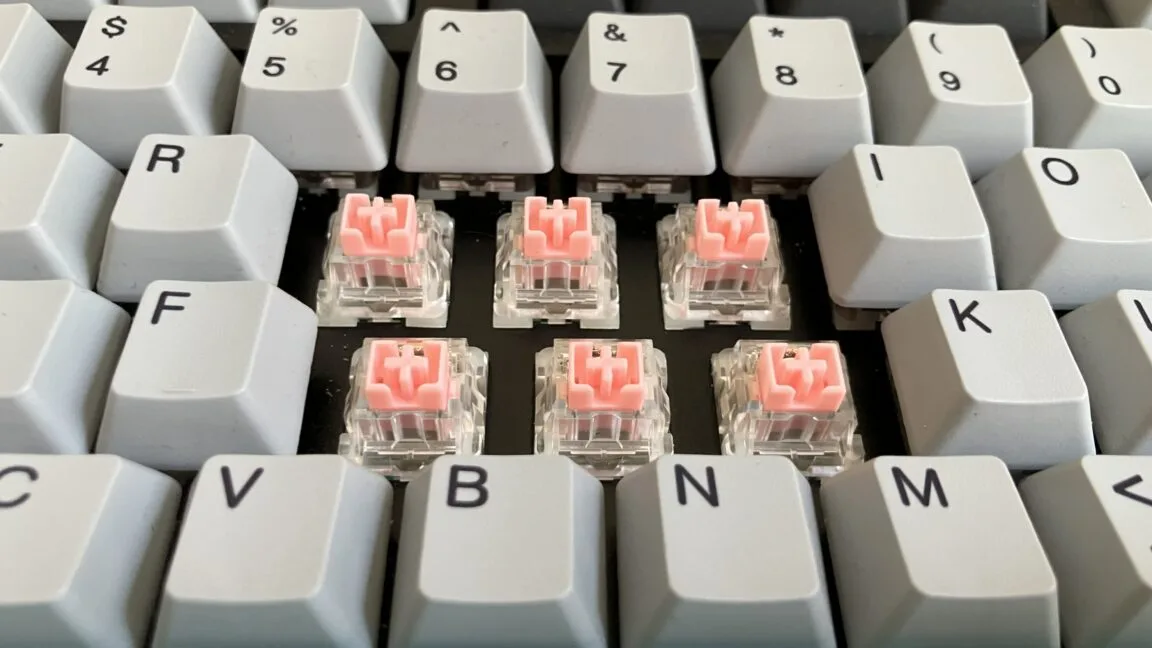
The term mechanical keyboard has become a bit of a misnomer in recent years. As reported by the source material, the industry is shifting away from purely physical contact switches toward optical, Hall-effect, and other contactless technologies. This evolution is not just a marketing gimmick but a fundamental change in how input devices translate your physical actions into digital commands.
These newer switches often command a higher price point than traditional mechanical boards. You are paying for theoretical advantages that matter most in high-stakes environments like competitive gaming. However, for the average professional or casual user, the differences can feel surprisingly subtle. This raises the question of whether the premium is justified for daily productivity tasks.
Hall-effect sensors detect magnetic fields rather than physical contact. This means there are no metal contacts to wear out or corrode over time. The result is virtually infinite durability and the ability to adjust actuation points with extreme precision. This level of control allows for features like rapid trigger activation, which can give gamers a split-second edge.
TMR, or Tunnel Magnetoresistance, is another emerging technology that offers similar benefits. It uses magnetic fields to detect key presses but often with lower power consumption and higher sensitivity than traditional Hall-effect sensors. These technologies are becoming more popular because they solve the long-standing reliability issues of mechanical switches.
The advantages of contactless designs really matter when you need consistency. Traditional mechanical switches can suffer from debounce delays and physical wear. Contactless switches eliminate these variables. They provide a uniform typing experience from the first press to the ten-thousandth, which is crucial for users who rely on muscle memory for speed and accuracy.
However, the disadvantages are not negligible. The cost is higher, and the tactile feedback can feel different from what enthusiasts are used to. Some users find the lack of physical contact less satisfying. It is a trade-off between durability and the classic mechanical feel that has defined the hobby for decades.
What this means for you If you are building a workflow that relies on speed and precision, consider testing a Hall-effect keyboard. The ability to customize actuation points can help reduce finger fatigue and increase typing speed. Try this prompt with your AI assistant to optimize your setup: "Analyze my current typing workflow and suggest three key shortcuts that could be optimized if I had instant, customizable actuation points on my keyboard." This will help you identify where speed matters most in your daily tasks.
Reporting basis: original story
← back to The Wire