the wire · #topnews · 2026-10-27
TCL is right to question Samsung’s use of the term “Mini LED”
Cech This Review
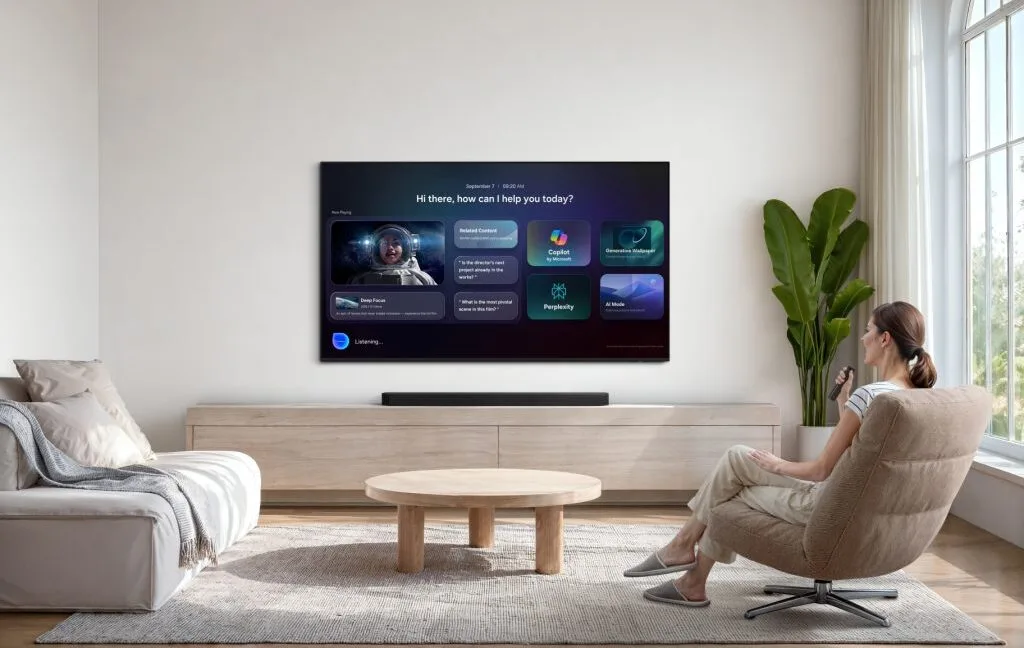
The battle for display supremacy has taken a sharp legal turn, with TCL formally accusing Samsung of deceptive marketing practices. According to recent reporting, the core of the dispute revolves around the definition of Mini LED technology. TCL argues that Samsung’s M-series TVs, which span a wide price range from three hundred to two thousand three hundred dollars, do not genuinely utilize the technology they claim to feature. This is not just a petty squabble between rivals but a fundamental challenge to how consumers understand hardware specifications.
The term Mini LED is often thrown around in marketing materials as a badge of premium quality. However, as this lawsuit reveals, there is currently no universally agreed-upon standard for what qualifies as such. Without strict regulatory or industry definitions, manufacturers have significant latitude to define the technology for themselves. This ambiguity allows companies to label budget LCD-LED sets as Mini LED, potentially inflating their perceived value and confusing buyers who expect a specific level of performance.
Samsung’s M-series lineup serves as the primary flashpoint in this conflict. The wide variance in pricing and screen sizes suggests a heterogeneous approach to implementation. If a three hundred dollar forty-three-inch model uses the same Mini LED designation as a two thousand three hundred dollar one hundred-inch set, the term loses its descriptive power. This lack of consistency raises legitimate questions about whether the technology is being diluted for mass market appeal or if it is being misapplied entirely.
For the average consumer, this legal dispute highlights a significant trust deficit in the tech retail space. Shoppers are increasingly expected to decipher complex technical jargon without clear benchmarks. When major brands can stretch the definition of a core technology to fit their marketing narrative, it becomes nearly impossible for buyers to make informed decisions based on specs alone. This environment favors those with the deepest pockets for legal defense and marketing campaigns rather than those with the best products.
From an industry perspective, this lawsuit could force a necessary conversation about standardization. The display market is crowded, and differentiation is key. If Mini LED becomes a meaningless buzzword, it undermines the innovation efforts of companies that invest heavily in genuine backlighting improvements. A clear standard would protect honest manufacturers and provide consumers with a reliable metric for comparing value across different brands and price points.
The outcome of this case may set a precedent for how other emerging display technologies are marketed. As OLED, QD-OLED, and Micro LED continue to evolve, similar disputes may arise if definitions remain vague. The tech industry needs clear guidelines to prevent marketing from outpacing engineering reality. Until then, consumers must remain skeptical of labels that sound impressive but lack technical substance.
What this means for you: When researching new displays, do not rely solely on the marketing label. Look for specific technical details such as the number of dimming zones, peak brightness levels, and local dimming capabilities. These metrics provide a clearer picture of performance than the broad category name. You can use an AI assistant to help decode these specs by pasting the technical sheet and asking for a comparison against known high-end models to verify if the claims hold up.
Try this prompt with your AI assistant: Paste the full technical specifications of a TV you are considering and ask the AI to identify the number of local dimming zones and peak nits. Then request a comparison against a known benchmark model to determine if the marketing claims align with the actual hardware capabilities.
Reporting basis: original story
← back to The Wire