#wearable · 2026-09-16
RayNeo iO Smart Glasses: AI Assistant Without the Camera Creep Factor

The verdict
Solid privacy-first alternative to Ray-Ban Meta, but limited use cases and display quirks hold it back from being essential.
$479
What slaps
- +No camera means zero privacy concerns in offices, gyms, or social settings
- +Lightweight at 42g with comfortable all-day wear
- +Live captions and real-time translation genuinely useful for accessibility and travel
What stings
- −Display only visible in one eye, limiting utility
- −AI features rely entirely on phone connectivity and processing
- −Narrow use case compared to camera-equipped alternatives at similar price
🚩 Before you buy
- !Monocular display limits utility and comfort compared to binocular alternatives
- !All AI processing happens on connected phone, adding latency and dependency
- !Price premium hard to justify when Ray-Ban Meta costs $180 less with more features
Spec sheet
| Weight | 42g |
| Display | Micro-LED, monocular (right eye only) |
| Audio | Open-ear directional speakers |
| Camera | None (by design) |
| Battery Life | ~4-6 hours active use |
| Connectivity | Bluetooth 5.3 |
| Water Resistance | Not specified |
| Price | $479 |
How it stacks up
| Product | Price | Key spec | Verdict |
|---|---|---|---|
| RayNeo iO | $479 | No camera, monocular display, 42g | Privacy-focused, limited utility |
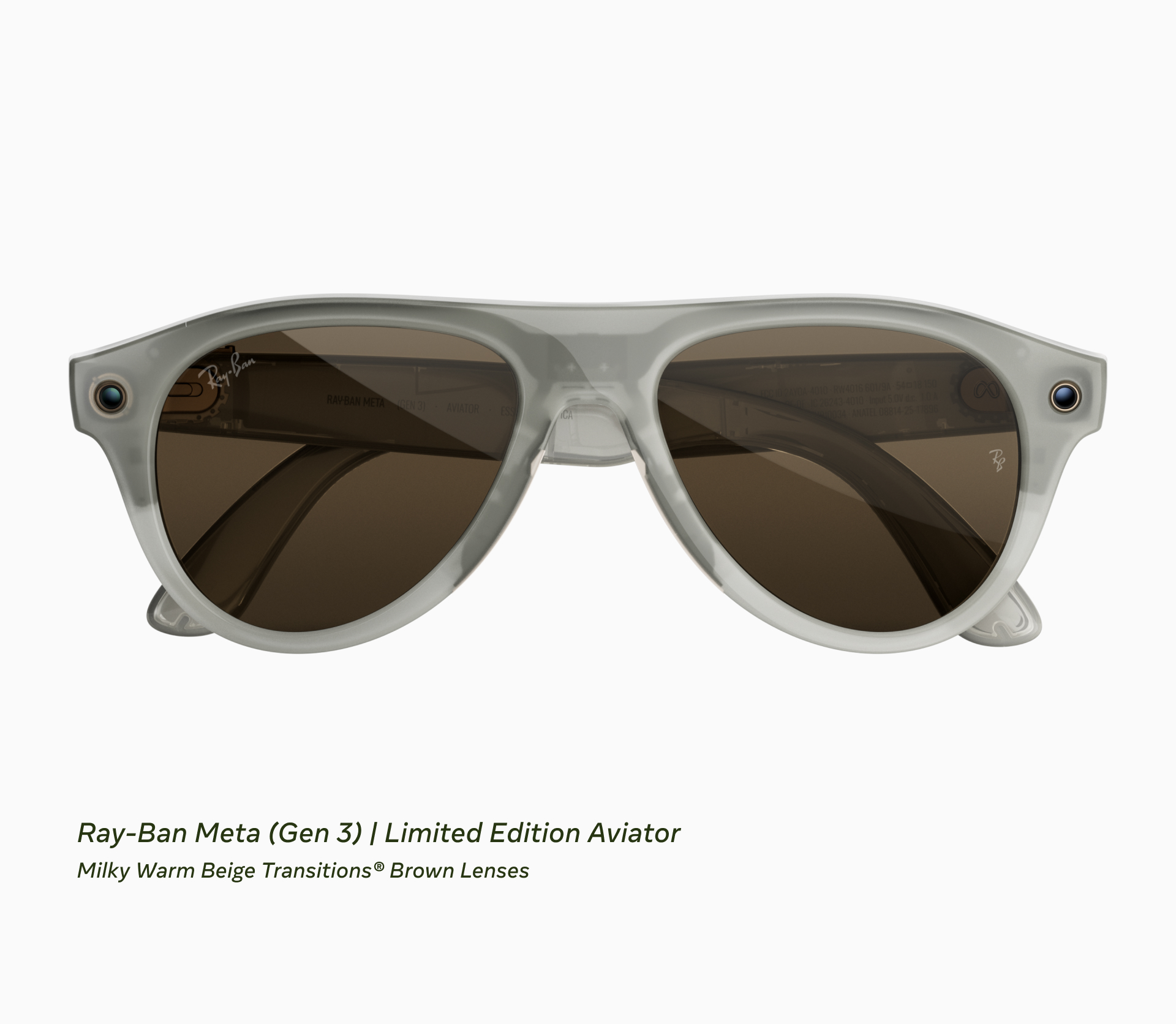
| Ray-Ban Meta | $299-379 | 12MP camera, stereo audio, 50g | Better value, more versatile |
| Even Realities G1 | $599 | No camera, binocular display, 37g | Premium alternative, better display |
The Privacy Pitch
RayNeo's iO smart glasses make one thing abundantly clear from the moment you unbox them: there's no camera here. In an era where Ray-Ban Meta glasses have people wondering if you're secretly recording them, RayNeo is betting that a significant chunk of buyers will pay $479 for smart glasses that explicitly can't capture photos or video.
It's a deliberate design choice targeting professionals who work in secure environments, fitness enthusiasts tired of gym recording bans, and anyone who's felt the social awkwardness of wearing camera-equipped glasses. The question is whether removing the camera leaves enough functionality to justify the price.
What You Actually Get
The RayNeo iO weighs just 42 grams, making it noticeably lighter than the 50-gram Ray-Ban Meta. The frame feels solid without being heavy, and the open-ear directional speakers deliver surprisingly clear audio without blocking your ears. You can take calls, listen to navigation, or get AI-generated summaries while remaining aware of your surroundings.
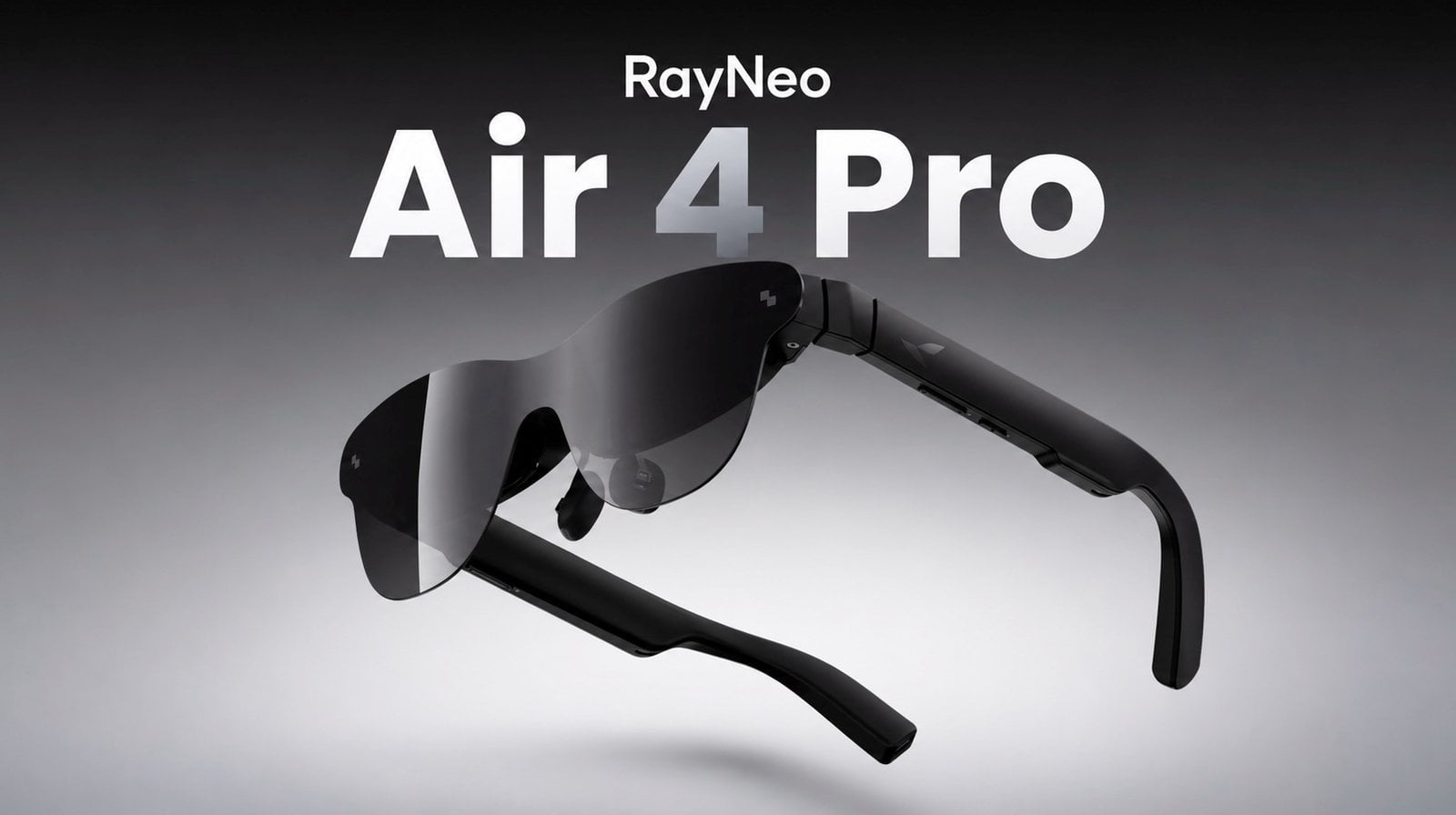
The monocular micro-LED display sits in your right eye's field of view, projecting notifications, captions, translations, and navigation prompts. The display is sharp when you can see it, but here's the first major caveat: it's only visible in one eye, and brightness struggles in direct sunlight. Indoor use is fine. Outdoor midday use requires squinting or finding shade.
RayNeo includes AI features powered by your connected smartphone. The glasses listen via built-in microphones and can provide real-time translations, live captions for conversations, meeting summaries, and contextual assistance. For deaf or hard-of-hearing users, the live captioning alone could justify the purchase. For business travelers, real-time translation during conversations is genuinely useful, assuming you're comfortable with the latency and occasional transcription errors.
The Use Case Problem
Here's where things get tricky. Without a camera, the iO can't identify objects, read signs visually, or capture moments. The AI can only work with audio input. This means the glasses are essentially smart earbuds with a heads-up display strapped to your face. That's not inherently bad, but it's a narrow use case for $479.
The display shows notifications, navigation arrows, and scrolling text. It's helpful for glancing at messages without pulling out your phone or following walking directions hands-free. But the monocular setup means you lose depth perception for the displayed content, and the small field of view limits how much information can be shown at once. Compared to the binocular display on the $599 Even Realities G1, RayNeo's implementation feels like a compromise.
Battery life lands around 4 to 6 hours of active use, which is adequate for a workday but requires nightly charging. The included case is compact but doesn't include a built-in battery for on-the-go charging, unlike some competitors.
AI That Lives on Your Phone
RayNeo's AI features are entirely dependent on your smartphone's processing and connectivity. The glasses themselves have no onboard AI. This means performance varies based on your phone model and network connection. In strong LTE or Wi-Fi environments, response times are acceptable. In spotty coverage, expect delays or failures.
The meeting summary feature can transcribe and summarize conversations, but accuracy depends on clear audio and distinct speakers. Background noise in cafes or open offices degrades performance. The translation feature works similarly, handling common languages reasonably well but stumbling with accents, idioms, or technical jargon.
Compared to Ray-Ban Meta's onboard AI and camera-based visual recognition, RayNeo's approach feels more limited. You're paying for privacy, but you're sacrificing capability.
Who Should Actually Buy These
The RayNeo iO makes sense for a specific subset of users. If you work in a secure facility where cameras are prohibited, these glasses let you stay connected without violating policy. If you're deaf or hard of hearing, live captions provide genuine accessibility value. If you travel internationally and need real-time translation without holding up your phone, the hands-free approach is convenient.
For everyone else, the value proposition gets murky. The Ray-Ban Meta costs $180 to $280 less, includes a camera for visual AI, and offers better audio and battery life. The Even Realities G1 costs $120 more but delivers a binocular display and better outdoor visibility. RayNeo's iO sits in an awkward middle ground, offering less functionality than one and less refinement than the other.
The Real Trade-Off
RayNeo's marketing emphasizes privacy, and that's valid. But privacy by omission isn't the same as privacy by design. These glasses still have microphones that continuously listen when AI features are active. They still send audio data to cloud servers for processing. The lack of a camera eliminates one privacy concern but doesn't make the device inherently private.
If you genuinely need camera-free smart glasses, the iO delivers. If you're choosing them solely because you think cameras are creepy but still want full smart glasses functionality, you'll likely feel shortchanged by what's missing.
| Feature | RayNeo iO | Ray-Ban Meta | Even Realities G1 |
|---|---|---|---|
| Price | $479 | $299-379 | $599 |
| Camera | No | 12MP | No |
| Display | Monocular | None | Binocular |
| Weight | 42g | 50g | 37g |
| Battery | 4-6 hours | 4-6 hours | 3-4 hours |
The Verdict
The RayNeo iO is a competent product for a narrow audience. If you need camera-free smart glasses for work, accessibility, or personal preference, they deliver on that promise with good build quality and adequate functionality. The live captions and translation features work well enough to be useful in the right scenarios.
But at $479, you're paying a premium for what amounts to smart earbuds with a limited heads-up display. The monocular screen, phone-dependent AI, and lack of visual recognition make these feel incomplete compared to alternatives. Ray-Ban Meta offers more versatility for less money. Even Realities G1 offers better display technology for $120 more.
RayNeo iO isn't a bad product. It's just a very specific one that most people don't actually need. If the lack of a camera is your top priority, consider them. If you want smart glasses that do more, look elsewhere.
Get it if
Professionals in camera-restricted workplaces, deaf or hard-of-hearing users needing live captions, international travelers wanting hands-free translation.
Skip it if
You want full visual AI features, prefer binocular displays, or need the best value in the smart glasses category.
$479
Affiliate links support the site at no cost to you.