the wire · #ai · 2026-09-11
Apple Watch's new AI features are normalizing the idea that technology is always listening
Cech This Review
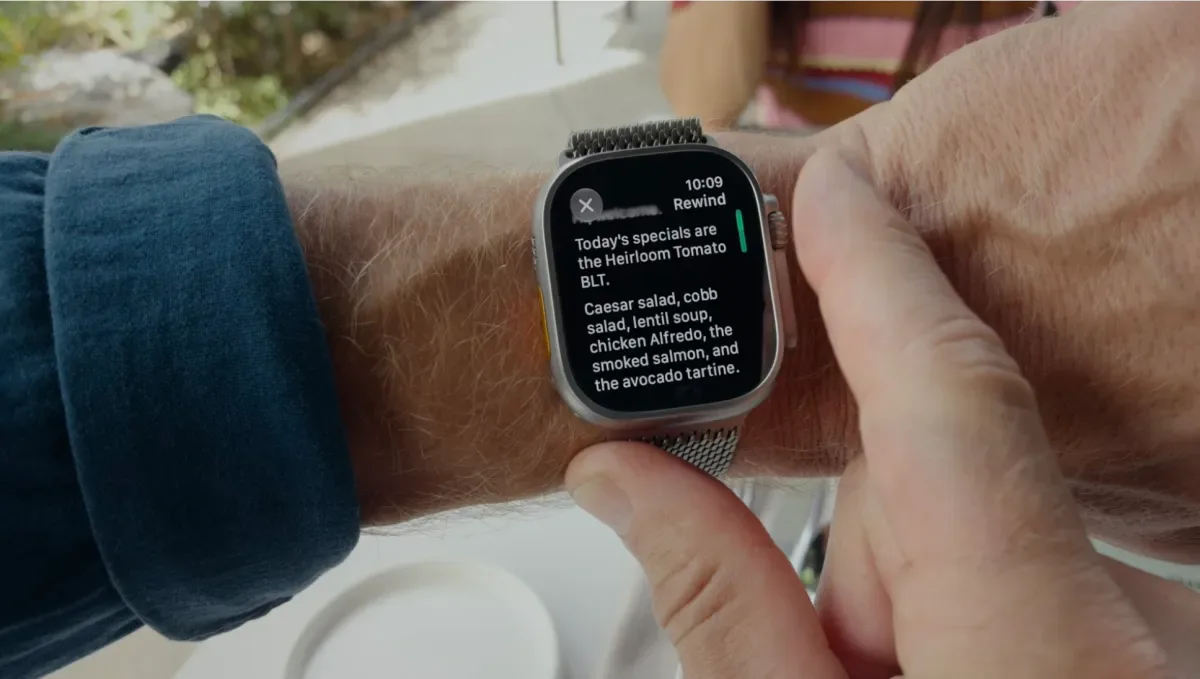
Apple is pushing the boundaries of wearable technology with new artificial intelligence capabilities that fundamentally change how we interact with our devices. According to recent reports, the upcoming Apple Watch will feature tools capable of transcribing recent speech and summarizing ambient conversations. This shift moves the device from a passive tracker to an active participant in your daily audio environment.
The core of the controversy lies in the phrase ambient conversations. While Apple insists that raw audio is never saved to their servers, the ability to capture and process nearby dialogue creates a new category of data collection. This distinction between local processing and cloud storage may offer some comfort, but it does not fully address the ethical implications of always-on listening.
Privacy advocates are raising alarms about the potential for non-consensual recording. If a device can summarize a conversation you are having with someone else, it implies it has been listening to that interaction. This raises complex questions about consent, especially in professional or intimate settings where individuals might not expect their words to be analyzed by a third-party algorithm.
The normalization of this technology could subtly alter human behavior. When people know they might be recorded or summarized by an AI, they may self-censor or change how they speak. This phenomenon, often referred to as the chilling effect, could have long-term implications for free expression and social dynamics in public and private spaces.
From a product strategy perspective, Apple is betting that the convenience of instant summaries and transcriptions outweighs these privacy concerns. They are positioning the Watch as an indispensable productivity tool that helps users keep up with the flow of information. However, this convenience comes at the cost of surrendering more of your auditory privacy to a corporate entity.
The broader tech industry is watching closely to see how consumers react to these features. If adoption is high, it will likely set a precedent for other wearable manufacturers to implement similar always-listening capabilities. This could lead to a new standard where ambient audio processing becomes a baseline feature rather than a niche option.
What this means for you: As AI tools become more integrated into our daily lives, we must become more vigilant about our digital footprint. Consider using AI assistants to draft emails or summarize meeting notes, but always be aware of who is listening. Try this prompt with your AI assistant to test its boundaries: "Summarize the key points of this transcript, but redact any personal identifiers or sensitive information before providing the output." This simple workflow can help you maintain privacy while still leveraging the power of AI for productivity.
Reporting basis: original story
← back to The Wire