the wire · #ai · 2026-09-11
Meta’s Muse AI works and creeps me out
Cech This Review
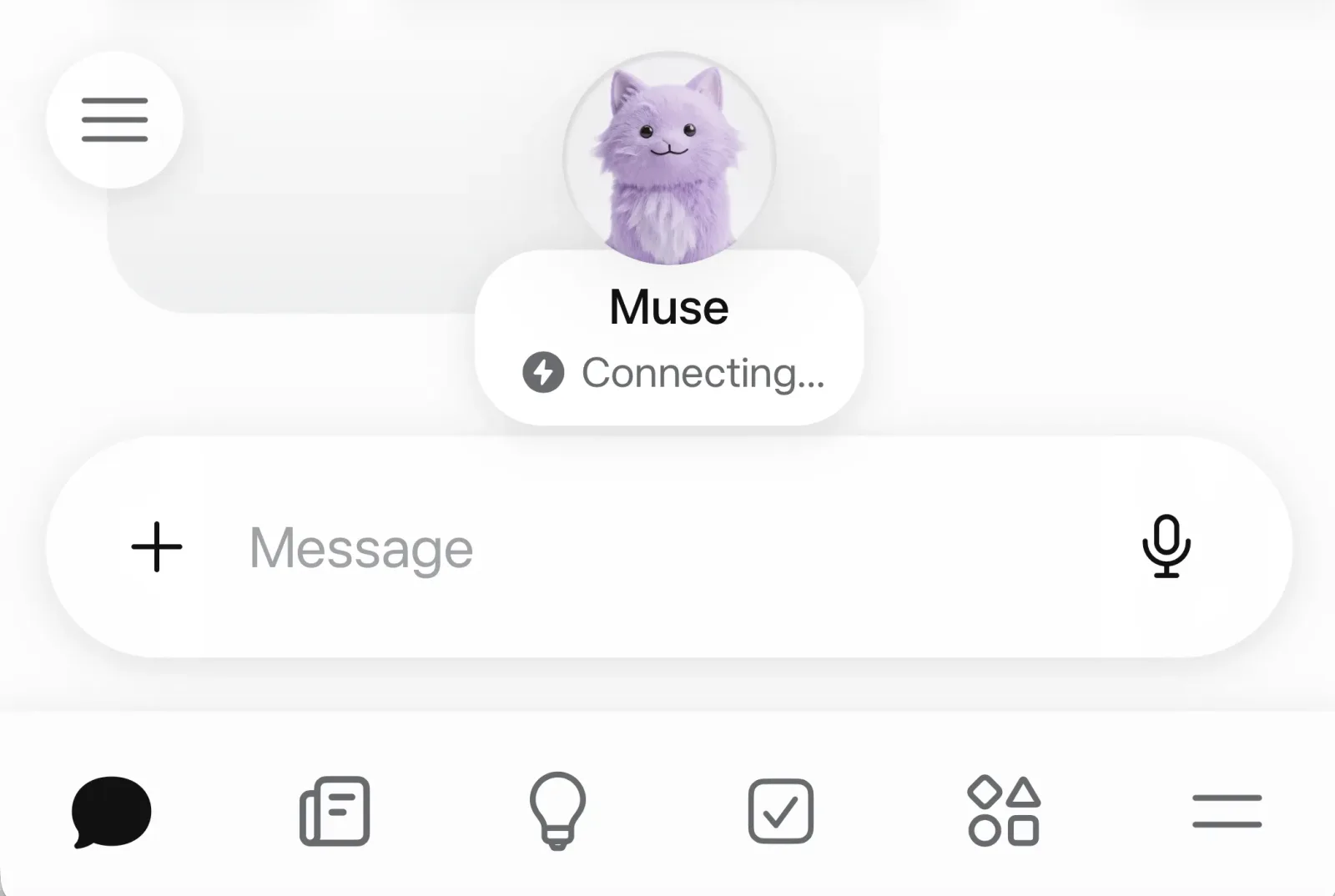
Meta has officially entered the productivity AI arena with the launch of Muse. This marks a significant pivot for the tech giant, moving beyond its historical focus on social entertainment toward tools designed to handle daily administrative tasks. According to reporting by The Verge, the assistant aims to remove busywork from your plate by managing online shopping, emails, and trip planning.
The initial user experience suggests that Muse functions largely as advertised. It successfully executes actions autonomously, which is a step up from simple chat-based assistants. However, the ease of use comes with a heavy price tag regarding privacy and user comfort. The tool’s ability to operate independently requires it to access a vast amount of personal data.
What stands out most is the unnerving depth of information Muse can glean about you without explicit prompting. The article highlights that this autonomous data collection overshadowed the functional benefits for testers. It feels less like a helpful assistant and more like a digital entity that knows too much about your habits and preferences.
This raises critical questions about the future of AI agents in the workplace. If Meta’s Muse can autonomously plan trips and shop for you, what other boundaries will it cross? The line between helpful automation and invasive surveillance is becoming increasingly blurry. Users must decide if the convenience is worth the loss of privacy.
The broader implication here is that AI productivity tools are moving from passive to active. They are no longer just answering questions but taking actions on your behalf. This shift requires a new level of trust in the underlying models. Companies like Meta are betting that users will prioritize efficiency over control, even if it feels creepy.
For professionals integrating AI into their workflows, this is a cautionary tale. You need to audit what data your AI tools can access before granting them autonomy. The convenience of a purple cat assistant is not worth compromising your digital security. Always assume your AI is watching and learning more than you intend.
What this means for you: Treat AI agents as powerful but potentially intrusive employees. Do not give them full access to your personal accounts without strict boundaries. Try this prompt to test your own AI’s data retention: "List all personal details you have stored about me from our previous conversations and explain how you use this data to personalize responses." This helps you understand the extent of your digital footprint and manage your privacy settings accordingly.
Reporting basis: original story
← back to The Wire