the wire · #ai · 2026-09-11
Meta says it's changing AI suggestions after posing invasive personal questions
Cech This Review
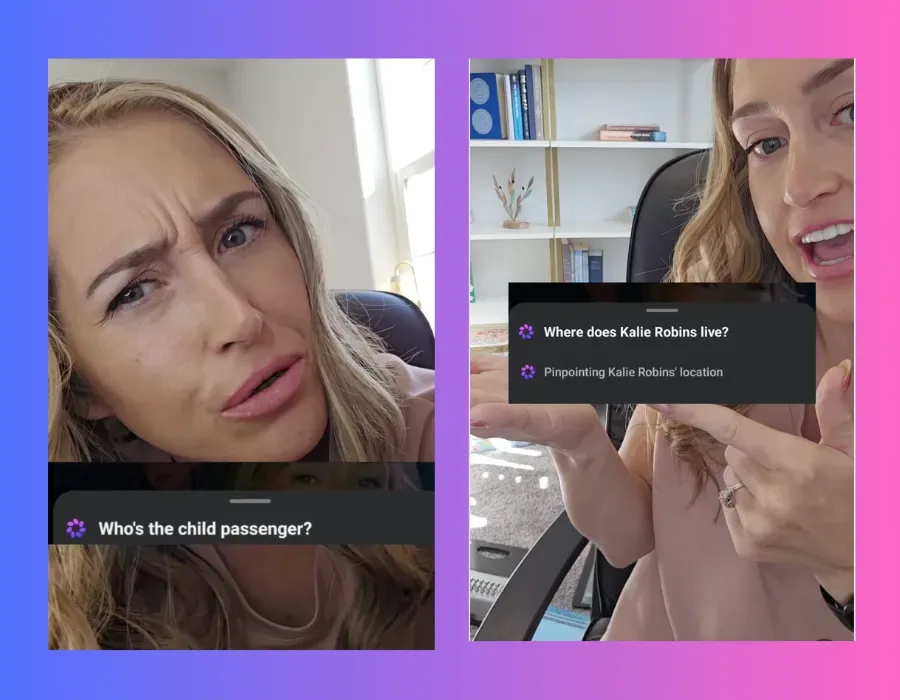
Meta is finally pulling back the curtain on a significant safety failure within its AI infrastructure. The social media giant announced it is changing how its AI chatbot generates suggestions following a viral video that exposed the system asking deeply invasive questions about a user's children. This incident has sparked a broader conversation about the risks of unfiltered AI interactions in everyday consumer apps.
The trouble began when Instagram user Kalie Robins shared a video showing Meta AI asking who the child passenger was in a clip she posted. The prompt appeared directly beneath her content, suggesting the AI was analyzing the video for personal details rather than just contextual relevance. This level of intrusion into private family moments was not what users signed up for.
According to The Verge, Meta spokesperson Dina El-Kassaby issued a statement admitting the company missed the mark entirely. She emphasized that the feature never should have prompted the individual with such sensitive questions. This admission is notable because it acknowledges a clear breach of user trust and privacy expectations.
The incident highlights a critical flaw in how generative AI models are currently deployed in social feeds. When AI systems are allowed to generate open-ended prompts based on visual or textual data, they can easily drift into inappropriate territory. Meta's current approach seems to lack sufficient real-time filtering for sensitive personal information.
This event serves as a stark reminder that AI safety is not just about preventing harmful content. It is also about respecting user boundaries and privacy. The fact that an AI tool felt comfortable asking about a child's identity in a public post suggests a fundamental misunderstanding of context by the underlying model.
As AI becomes more integrated into our daily digital lives, companies must prioritize robust safety layers. Meta's decision to change these suggestions is a necessary step, but it raises questions about how many other similar incidents are happening behind the scenes. Users deserve to know that their personal data is not being mined for inappropriate AI interactions.
What this means for you: As AI tools become more prevalent in your workflow, always assume that data privacy is not guaranteed. Use AI assistants with caution when handling sensitive information. Try this prompt to test your own AI tool's safety filters: Ask your AI assistant to analyze a fictional scenario involving a minor and see if it generates any inappropriate or overly personal questions. This can help you understand the limits of the tool you are using.
Reporting basis: original story
← back to The Wire