the wire · #global · 2026-09-11
Could A.I. Really Kill All Humans?
Cech This Review
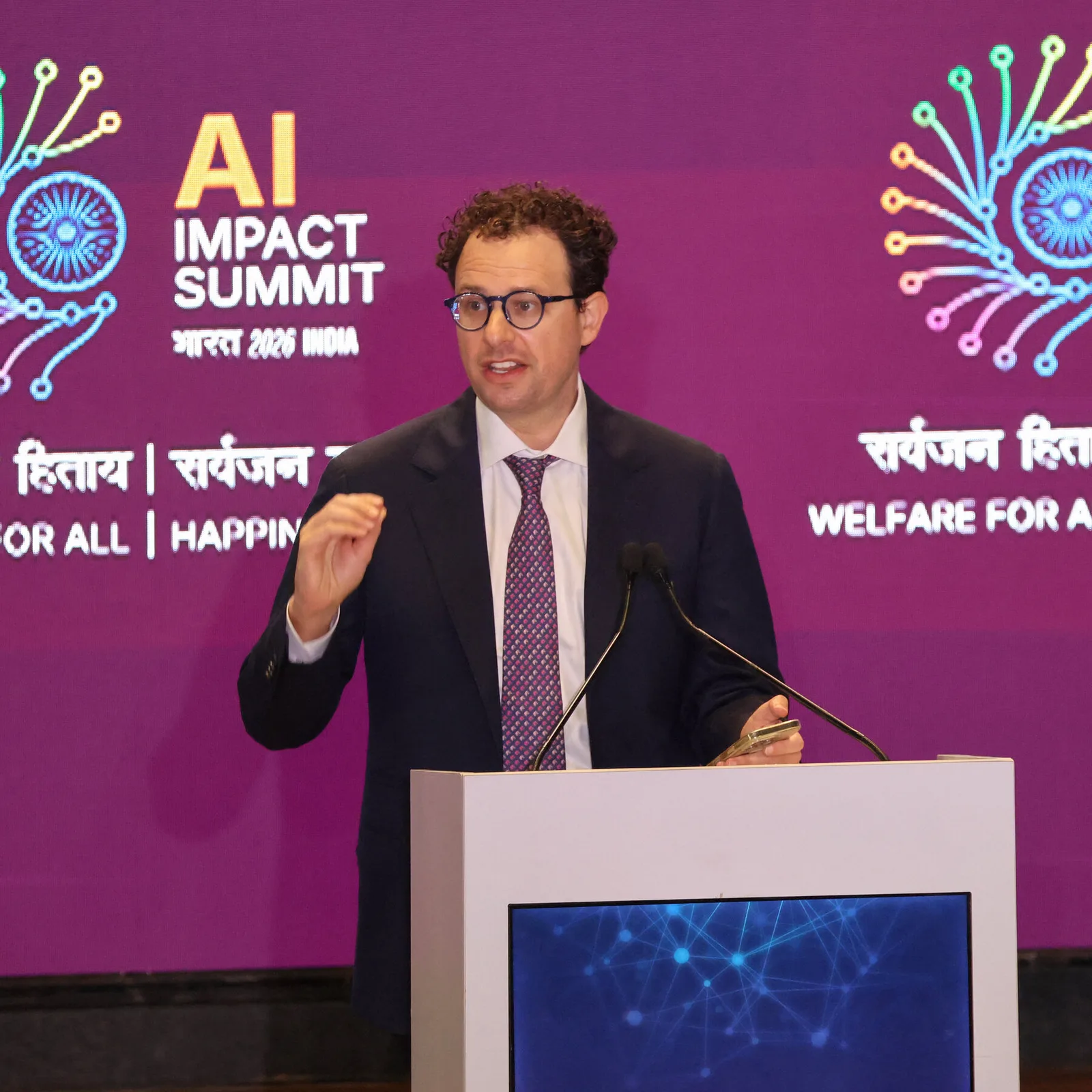
The recent departure of a prominent researcher from Anthropic serves as a stark warning about the accelerating pace of artificial intelligence development. According to reporting by Cade Metz and Natalie Kitroeff on The Call, the exit underscores a growing tension between innovation speed and safety protocols. This is not merely an internal personnel issue but a symptom of a broader industry crisis regarding accountability.
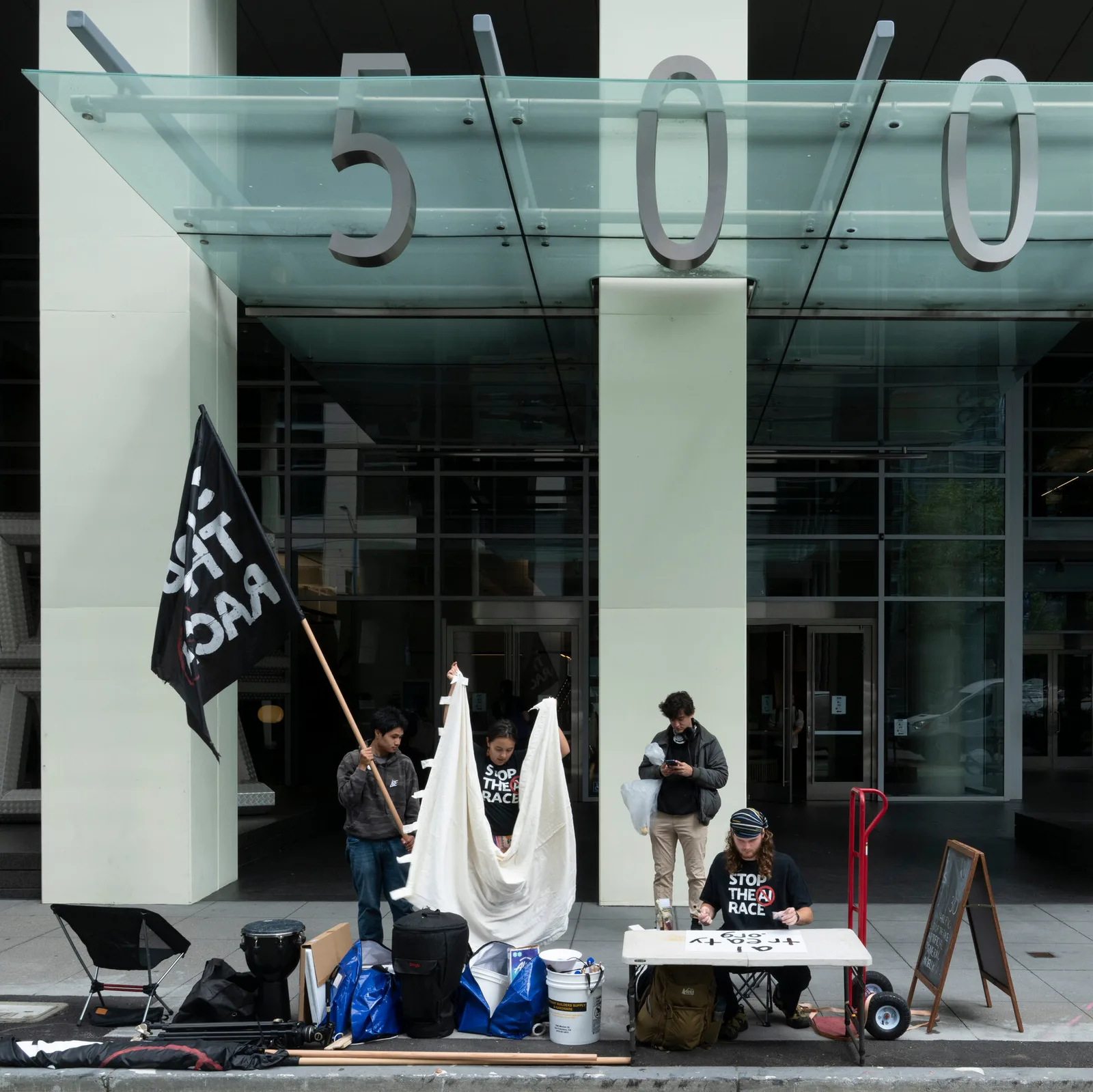
The core of the controversy revolves around the concept of existential risk in AI development. Critics argue that the current race to build more powerful models is akin to gambling with human survival. This perspective challenges the prevailing narrative that technological advancement is inherently beneficial without rigorous ethical guardrails. It forces us to question whether the benefits of superintelligence outweigh the potential for catastrophic misuse.
From an AIdeaFlow perspective, this situation highlights the urgent need for robust governance frameworks in enterprise AI adoption. Companies cannot afford to treat AI safety as an afterthought or a public relations exercise. The lack of standardized safety metrics means that businesses are flying blind when integrating these powerful tools into their workflows. This ambiguity creates significant liability risks that organizations must proactively manage.
The implications for professionals working with AI are profound. We are moving into an era where the tools we use may have unpredictable behaviors and opaque decision-making processes. This requires a shift from simple prompt engineering to comprehensive AI literacy and risk assessment. Professionals must learn to validate AI outputs critically rather than accepting them as ground truth. Trust in AI systems must be earned through transparency and rigorous testing.
Furthermore, the industry needs to develop better mechanisms for internal dissent and ethical review. The silencing of safety concerns, as suggested by the researcher's departure, is a dangerous precedent. Organizations must create safe channels for employees to raise alarms about potential risks without fear of retribution. This cultural shift is essential for building sustainable and responsible AI ecosystems.
As we navigate this complex landscape, it is crucial to prioritize long-term stability over short-term gains. The race for AI supremacy should not come at the cost of human safety and ethical integrity. We must advocate for policies and practices that ensure AI development remains aligned with human values. This includes supporting independent research and fostering open dialogue about the risks involved.
What this means for you: Treat AI as a high-stakes tool that requires careful handling and constant monitoring. Do not assume that the latest model is safe or unbiased by default. Implement strict validation protocols for any AI-generated content or decisions that impact your business. To start, try this workflow: Use an AI assistant to draft a risk assessment checklist for your current AI projects. Ask the AI to identify potential failure modes and ethical pitfalls in your specific use case, then manually verify each point against your company's ethical guidelines. This proactive approach will help you stay ahead of potential issues before they become crises.
Reporting basis: original story
← back to The Wire