the wire · #global · 2026-09-12
Why California Is Reconsidering Its Decision to Shun Nuclear Power
Cech This Review
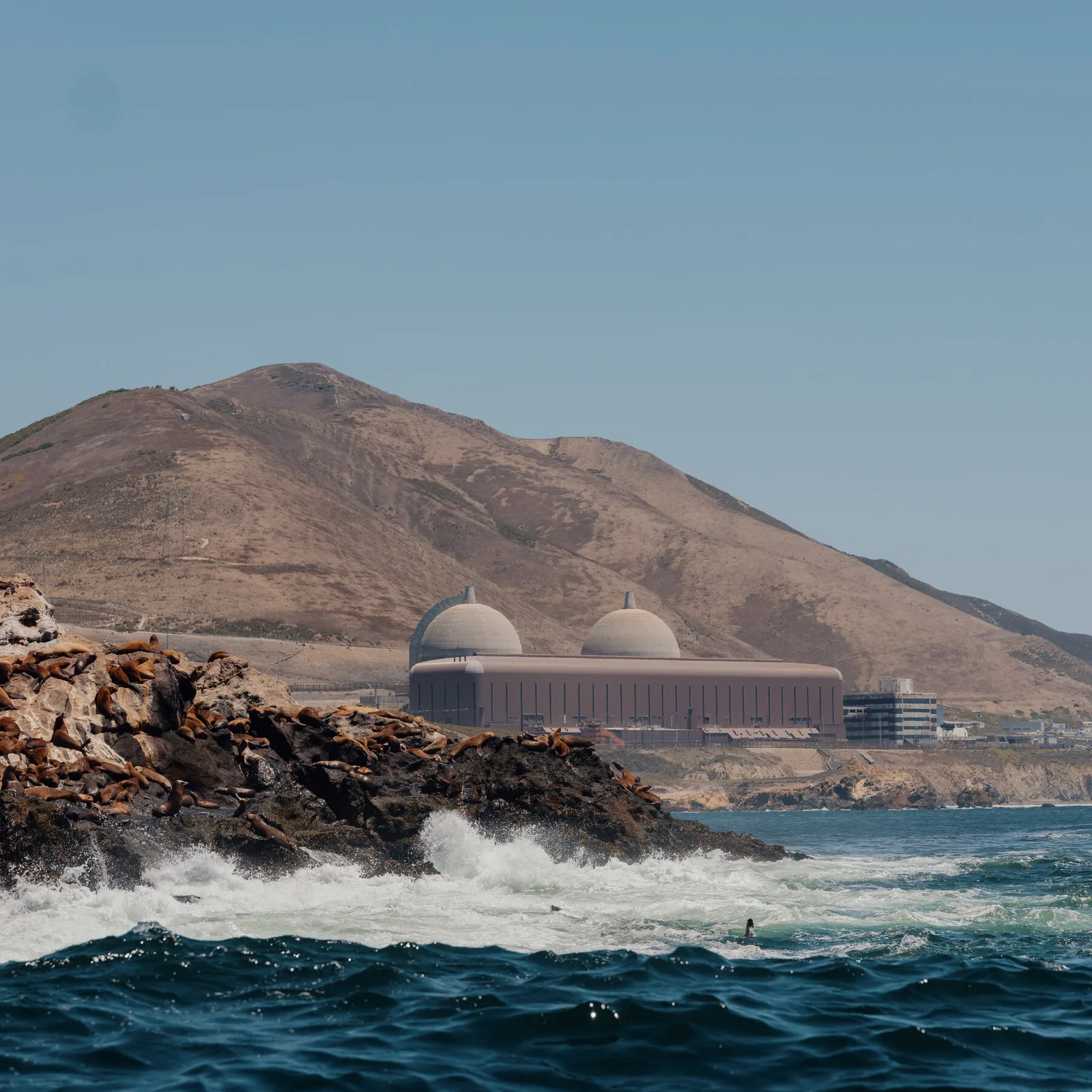
California is making a surprising U-turn on one of its most entrenched energy policies. According to recent reports, the state is seriously considering extending the operational life of the Diablo Canyon Power Plant. This move marks a significant departure from the decades-long political consensus that viewed nuclear energy as a relic of the past rather than a viable part of the future grid.
The primary driver behind this reconsideration is the relentless demand for electricity. As data centers expand to support artificial intelligence workloads, the strain on the power grid is becoming impossible to ignore. Clean energy goals are no longer just about reducing carbon emissions. They are also about ensuring there is enough consistent power to run the massive computational engines driving modern tech.
Diablo Canyon is currently the last operating nuclear plant in the state. Extending its license would provide a stable source of carbon-free electricity that does not rely on weather conditions. Solar and wind power are intermittent by nature. Nuclear offers the baseload reliability that AI training clusters and large-scale cloud infrastructure require to function without interruption.
Beyond just keeping the lights on, the state is also looking at allowing the construction of new reactors. This suggests a broader acceptance of advanced nuclear technologies. Small modular reactors and next-generation designs promise to be safer and more efficient than older models. This openness could position California as a testbed for the next wave of energy innovation.
This shift reflects a pragmatic realization among policymakers. The transition to a fully renewable grid is more complex than initially anticipated. Relying solely on batteries and renewables may not be sufficient to meet peak demands. Nuclear energy is emerging as a necessary partner in the clean energy mix rather than an adversary.
The debate is far from over. Environmental groups and nuclear safety advocates remain divided on the issue. However, the economic and technological pressures are mounting. The cost of grid instability and the urgency of climate goals are pushing the needle toward nuclear acceptance.
What this means for you: As AI tools become more integrated into business workflows, energy costs and reliability will directly impact your bottom line. Monitor how these energy policy shifts affect local utility rates. You can use an AI assistant to analyze your company's energy consumption patterns and identify opportunities for efficiency. Try this prompt: Analyze my current energy usage data and suggest three strategies to reduce costs during peak demand hours, considering potential rate changes due to new infrastructure investments.
Reporting basis: original story
← back to The Wire