#gadget · 2026-09-02
Anbernic RG55G1: A $150 Handheld That Can't Find Its Purpose
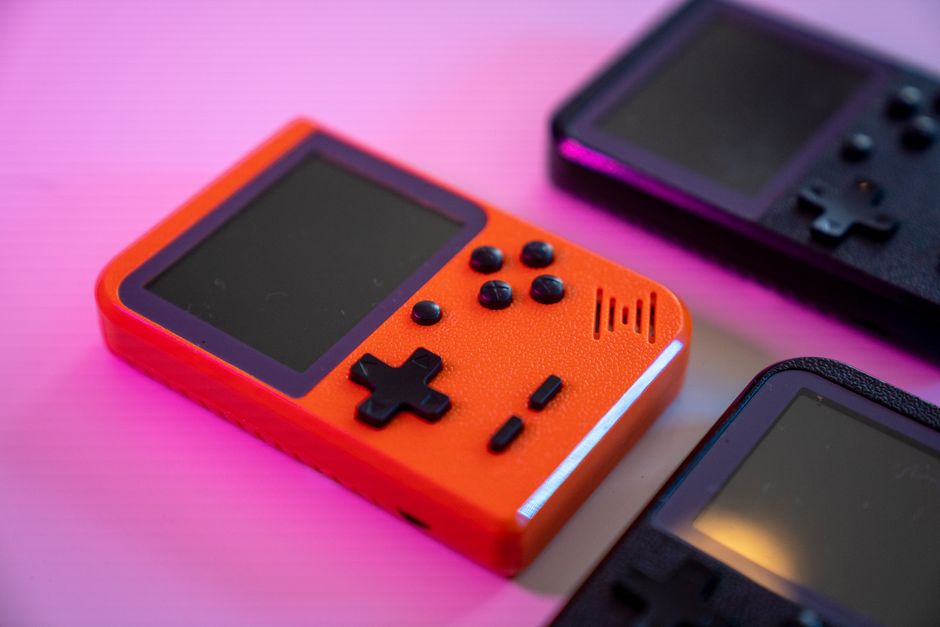
The verdict
Wait for a price drop or buy a Retroid Pocket 5 instead, the screen ratio and weak GPU make this hard to justify at current pricing.
$150-$175
What slaps
- +Excellent battery life (12+ hours for lightweight systems, 7+ hours for demanding emulation)
- +First Anbernic device with Snapdragon processor
- +Solid build quality and ergonomic design
What stings
- −16:9 screen creates black bars for most retro games designed for 4:3 aspect ratio
- −Weak Adreno A12 GPU struggles with demanding systems and heavy shaders
- −Poor value compared to alternatives like the Retroid Pocket 5
Spec sheet
| CPU | Qualcomm Snapdragon G1 Gen 2 |
| GPU | Qualcomm Adreno A12 |
| RAM | 4GB or 8GB |
| Storage | 64GB or 128GB |
| Display | 5.5-inch 1920×1080 IPS (16:9) |
| Battery | 6,000mAh (18W charging) |
| OS | Android 14 |
| Connectivity | WiFi 5, Bluetooth 5 |
| Weight | 339 grams |
| Price | $150 (4GB/64GB) or $175 (8GB/128GB) |
How it stacks up
| Product | Price | Key spec | Verdict |
|---|---|---|---|
| Anbernic RG55G1 | $150-$175 | Snapdragon G1 Gen 2, 16:9 screen, weak GPU | Wait |
| Retroid Pocket 5 | $150-$170 | Snapdragon 865, better GPU, 4:3 screen option | Buy |
| Retroid Pocket Classic | $99 | Same CPU, vertical form, better value | Buy |
A Premium Build With No Clear Mission
The Anbernic RG55G1 marks a significant milestone as Anbernic's first handheld powered by a Qualcomm Snapdragon processor, specifically the G1 Gen 2 chip. On paper, this should represent a leap forward for the brand. In practice, the RG55G1 is a well-constructed device that never quite figures out what it wants to be. The hardware is solid, the battery life is exceptional, and the build quality meets Anbernic's usual standards. But a series of compromises, most notably a 16:9 screen ratio paired with a weak GPU, leave this handheld stranded in a no man's land between budget and premium tiers.
Available in two configurations at $150 (4GB RAM/64GB storage) or $175 (8GB RAM/128GB storage), the RG55G1 faces stiff competition from devices that do more for the same money or deliver similar performance for less. The Retroid Pocket 5, for instance, uses a more powerful Snapdragon 865 processor with a significantly stronger GPU and offers flexible screen options, all while landing in the same price range. The RG55G1's positioning becomes even more awkward when you consider that the Retroid Pocket Classic uses the same Snapdragon G1 Gen 2 chip in a vertical form factor for just $99.
The Screen Ratio Problem
The RG55G1 features a 5.5-inch 1080p IPS display, which sounds impressive until you realize it uses a 16:9 aspect ratio. This is a fundamental mismatch for retro gaming. The vast majority of classic games, from NES and SNES to Game Boy Advance and PlayStation 1, were designed for 4:3 screens. Running these games on the RG55G1 means either accepting thick black bars on either side of the image or stretching the picture in ways that distort the original artwork.
This screen choice might make sense if the RG55G1 excelled at running widescreen-native systems like PSP or modern Android games, but the weak GPU limits that potential. You end up with a screen that's wrong for what the device does best (lightweight retro emulation) and not powerful enough to justify its ratio for what it struggles with (demanding modern systems).
Performance: Good Enough, But Not Great
The Snapdragon G1 Gen 2 processor handles lightweight emulation competently. NES, SNES, Genesis, Game Boy, GBA, and PlayStation 1 titles run smoothly. The device can also manage PSP and some PS Vita games without major issues. Battery life is a genuine highlight here, with over 12 hours of runtime when playing less demanding systems and still over 7 hours when pushing harder with PSP or Dreamcast emulation. For a device in this price range, that battery performance is exceptional.
The problems emerge when you try to push beyond those boundaries. The Adreno A12 GPU is simply underpowered for anything more demanding. Wii U emulation is not viable. Original Xbox titles struggle. Even when games technically run, enabling heavy-duty shaders (which many retro enthusiasts prefer for CRT filters and other visual enhancements) brings the system to its knees. This GPU bottleneck means the RG55G1 can't fully leverage its Snapdragon processor or its ample battery capacity for more ambitious emulation projects.
Build Quality and Design
Credit where it's due: Anbernic knows how to build a handheld. The RG55G1 feels solid in hand at 339 grams, with good button quality and ergonomic design. The device ships with Android 14, WiFi 5, Bluetooth 5, and 18-watt charging for its 6,000mAh battery. The hardware itself is not the issue. The issue is that the hardware doesn't align with a clear use case that justifies the price.
What Works
- Excellent battery life for extended gaming sessions
- Solid build quality with comfortable ergonomics
- Clean Android 14 implementation with modern connectivity
- Handles all lightweight retro systems without breaking a sweat
What Doesn't Work
- The 16:9 screen creates a constant visual compromise for retro gaming
- Weak GPU performance limits the device to systems that don't need the Snapdragon chip
- Price point overlaps with superior alternatives from Retroid and others
- No compelling reason to choose this over established competitors
The Alternatives Are Better
The most damaging comparison is the Retroid Pocket 5. For roughly the same money, you get a Snapdragon 865 processor with a vastly more capable GPU, allowing for Wii U, GameCube, and Xbox emulation that actually works. The Retroid also offers screen options that accommodate both 4:3 retro games and 16:9 modern content. If you're specifically interested in the vertical form factor with the same Snapdragon G1 Gen 2 chip, the Retroid Pocket Classic delivers it for $99.
| Device | Price | CPU | Best For |
|---|---|---|---|
| Anbernic RG55G1 | $150-$175 | Snapdragon G1 Gen 2 | Nothing specific |
| Retroid Pocket 5 | $150-$170 | Snapdragon 865 | Wii U, Xbox, GameCube |
| Retroid Pocket Classic | $99 | Snapdragon G1 Gen 2 | Vertical retro gaming |
The RG55G1 doesn't win on price, performance, or screen suitability. It exists in an uncomfortable middle ground where it costs too much for what it delivers and delivers too little for what it costs.
When Might This Make Sense?
If Anbernic drops the price during a sale event, particularly down to the $120-$130 range, the RG55G1 becomes more interesting as a competent budget option with great battery life. At that price, you could overlook the screen ratio issue and GPU limitations. But at launch pricing, it's a tough sell. The device is competent at what it does, it just doesn't do enough to stand out in a crowded market filled with better-focused alternatives.
Get it if
Anbernic loyalists who value battery life above all else and primarily play lightweight retro systems (NES, SNES, GBA, PS1, PSP) where the screen ratio is less of an issue.
Skip it if
You want to play Wii U, GameCube, or Xbox games, you care about proper 4:3 aspect ratios for retro gaming, or you want the best value in this price range (buy a Retroid Pocket 5 instead).
$150-$175
Affiliate links support the site at no cost to you.