#gadget · 2026-01-04 ● we own it
Grandstream HT801: The $35 Bridge Between Your Old Phone and VoIP
The verdict
Best-in-class value for single-line analog-to-VoIP conversion if you can handle manual configuration.
$35-41
What slaps
- +Unbeatable price for single-port ATA functionality
- +Works with any SIP provider and analog phone
- +Compact, fanless design with low power draw
What stings
- −Web interface only, no phone-based provisioning
- −No QoS settings on Fast Ethernet port
- −Single FXS port limits scalability
Spec sheet
| FXS Ports | 1 |
| Ethernet | 1x 10/100 Mbps |
| Codecs | G.711, G.723, G.726, G.729A/B, iLBC |
| SIP Accounts | 1 |
| Power | 5V/1A DC adapter (included) |
| Dimensions | 108 x 78 x 26 mm |
| Price | $35-41 |
How it stacks up
| Product | Price | Key spec | Verdict |
|---|---|---|---|
| Grandstream HT801 | $35-41 | 1 FXS, Fast Ethernet | Best value single-line |
| Cisco SPA112 | $60-70 | 2 FXS, better QoS | More ports, higher price |
| Obihai OBi202 | $75-85 | 2 FXS, Google Voice support | Best for multi-line |
What the HT801 Actually Does
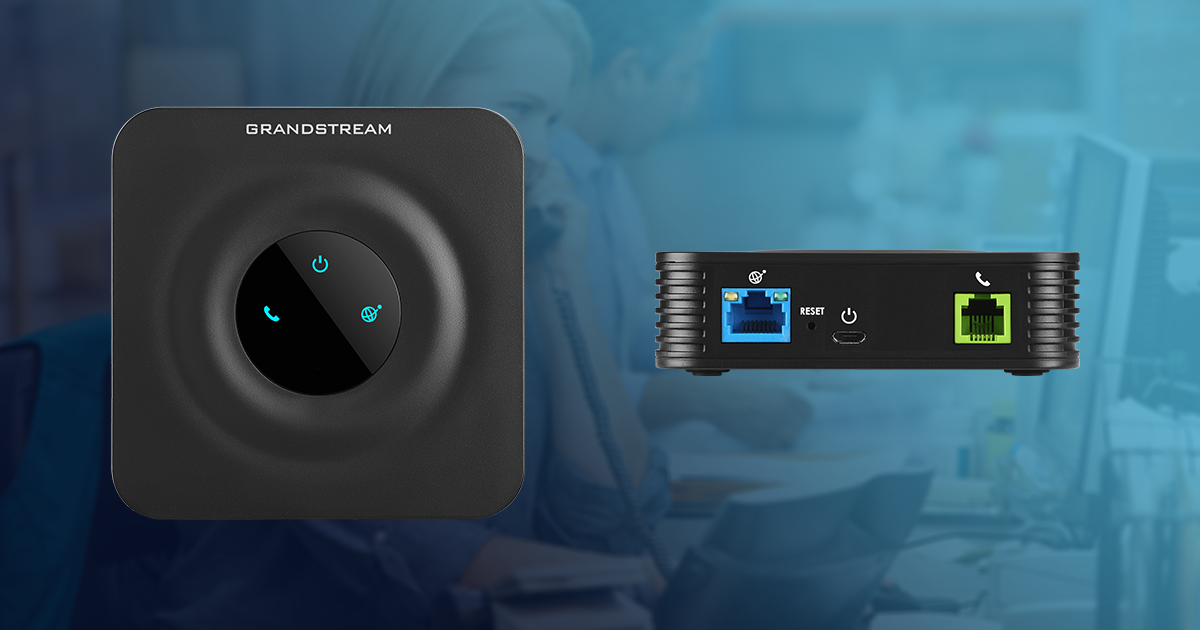
The Grandstream HT801 is a single-port analog telephone adapter that converts traditional analog phones into VoIP endpoints. You plug your old desk phone or fax machine into the FXS port, connect the HT801 to your network via Ethernet, configure it to talk to your SIP provider, and suddenly that decades-old handset works over IP. It's a straightforward device with a straightforward job.
The unit itself is compact, measuring just over 4 inches wide. It includes one RJ11 FXS port for your phone, one 10/100 Mbps Ethernet port, and a 5V power input. The plastic enclosure feels light but adequate. There are no fans, no noise, and minimal heat output. Setup requires accessing the web interface at the device's IP address, where you configure SIP credentials, codec preferences, and dial plan rules.
Real-World Performance
Call quality through the HT801 is solid when paired with a stable network and a reputable SIP provider. It supports the standard codec lineup including G.711, G.729, and G.726. Voice clarity is comparable to other ATAs in this price range. There's no echo cancellation tuning available, so if you encounter echo issues, your options are limited to adjusting gain levels or swapping phones.
The single Fast Ethernet port is a constraint if you're trying to daisy-chain devices. Unlike some competing ATAs that include a pass-through Ethernet port with QoS, the HT801 offers no QoS configuration and no second Ethernet jack. If your phone shares a network drop with a computer, you'll need a separate switch. For a dedicated phone line on a relatively clean network, this isn't a dealbreaker. For congested or complex deployments, it's a limitation.
The HT801 works with any standards-compliant SIP provider. Configuration is manual, requiring you to enter server addresses, authentication credentials, and port settings via the web GUI. The interface is functional but dated. There's no auto-provisioning unless your provider offers a config file you can load. This makes bulk deployments tedious, but for a single unit at home or in a small office, it's manageable.
Specs and Feature Set
| Feature | Specification |
|---|---|
| FXS Ports | 1 |
| Network | 1x 10/100 Mbps Ethernet |
| Codecs | G.711, G.723, G.726, G.729A/B, iLBC |
| SIP Accounts | 1 profile |
| Power | 5V/1A DC adapter |
| Dimensions | 108 x 78 x 26 mm |
The HT801 v2, released in late 2024, is essentially the same hardware with minor firmware updates. If you're buying new, the v2 is the current version, but the original HT801 is still widely available and functionally identical for most users.
How It Compares
| Device | Price | Ports | Notable Feature |
|---|---|---|---|
| Grandstream HT801 | $35-41 | 1 FXS | Lowest cost per port |
| Cisco SPA112 | $60-70 | 2 FXS | Better QoS, dual-line |
| Obihai OBi202 | $75-85 | 2 FXS, 1 USB | Google Voice integration |
The Cisco SPA112 costs nearly double but gives you two FXS ports and better traffic prioritization. If you need to connect two phones or a phone and a fax machine, the SPA112 is the logical step up. The Obihai OBi202 is the premium choice, offering Google Voice support and a more polished interface, but at $75-85, you're paying for convenience features the HT801 skips entirely.
If your need is strictly one analog device on one VoIP line, the HT801 delivers the same call quality as devices twice its price. The savings are real, the tradeoff is flexibility.
What's Missing
The HT801 lacks a second Ethernet port for pass-through, which means it must be the end of the line or connected via a switch. There's no T.38 fax relay support, so fax compatibility is hit-or-miss depending on codec and provider. The web interface is plain HTML with no modern amenities like HTTPS by default or a mobile-friendly layout.
There's no built-in router or DHCP server, so it must be deployed behind an existing network. This is standard for ATAs, but worth noting if you expected a standalone solution. Firmware updates are manual, requiring a downloaded file and a reboot. Auto-provisioning is possible if your provider supports it, but out-of-the-box, it's a hands-on setup process.
Who Should Buy This
The HT801 makes sense if you have one analog phone or device you want to connect to a VoIP system and you're comfortable with basic network configuration. It's ideal for home users migrating from POTS, small offices adding a single legacy device to a modern phone system, or hobbyists experimenting with Asterisk or FreePBX.
If you need two or more ports, look at the Grandstream HT802 or Cisco SPA112. If you value easier setup and better documentation, spend the extra money on an Obihai device. If you need fax support, test thoroughly or buy an ATA explicitly marketed for fax use.
For single-line analog-to-VoIP conversion, the HT801 is the most cost-effective option that actually works. It won't impress you with features, but it will connect your phone and get out of the way.
Get it if
Home users or small offices converting one analog phone to VoIP on a budget.
Skip it if
You need multiple ports, fax support, or prefer plug-and-play setup without web config.
$35-41
Affiliate links support the site at no cost to you.