the wire · #topnews · 2026-09-11
Could United Launch Alliance's money problems finally force its owners to sell?
Cech This Review
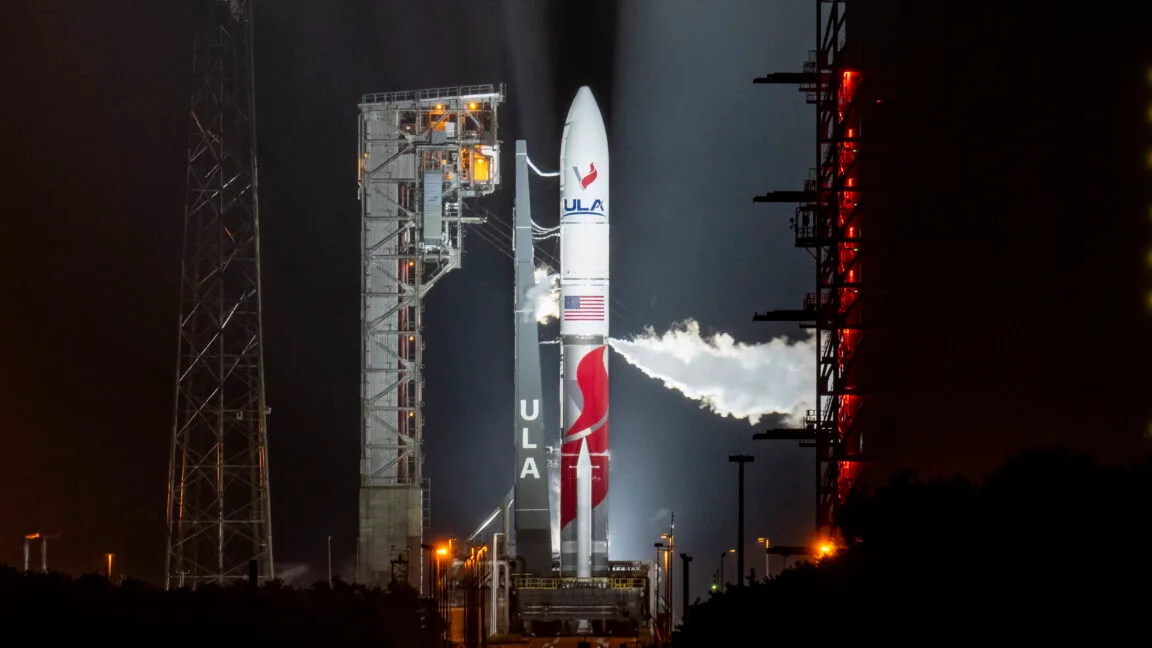
The aerospace landscape is undergoing a seismic shift, and United Launch Alliance is finding itself on the wrong side of the divide. According to recent reporting, the company's mounting financial troubles may finally force its owners to consider selling the business. This potential exit signals more than just corporate restructuring. It highlights a fundamental strategic divergence in the space industry that has profound implications for how we view commercial spaceflight.
Most successful rocket companies have embraced two non-negotiable tenets: reusability and diversification. SpaceX stands as the premier example of this model. They did not stop at reusable rockets. They expanded into cargo delivery, human spaceflight, satellite production, and broadband services. This vertical integration creates a resilient business model that is far less vulnerable to the cyclical nature of launch contracts.
Blue Origin is following a similar evolutionary path. They are transitioning from a pure rocket manufacturer into a broader technology conglomerate. Their recent moves into satellite manufacturing and robotics development suggest a long-term vision that extends beyond simply getting payloads off the ground. They are even positioning themselves to compete directly with SpaceX's Starlink network in the broadband sector.
Rocket Lab offers another compelling case study in strategic adaptation. After achieving success with their small Electron launch vehicle, they relocated to Southern California to be closer to key talent and partners. They then embarked on a spree of acquisitions, expanding into satellite communications and becoming a merchant supplier of components. Their development of the partially reusable Neutron vehicle further cements their position as a diversified space infrastructure provider.
ULA, by contrast, has largely resisted this diversification impulse. They remain heavily focused on their core launch services for government and military clients. While this strategy provided stability for years, the market is no longer willing to pay a premium for single-purpose providers. The financial strain on ULA suggests that their current model is no longer sustainable in an era where customers demand integrated solutions and lower costs through reusability.
The potential sale of ULA is a wake-up call for the entire industry. It demonstrates that even established giants with deep government ties are not immune to the pressures of innovation and market dynamics. Buyers for ULA will likely be looking for a company that can offer more than just launch capabilities. They will want access to ULA's customer base, infrastructure, and expertise, but they will also need to integrate it into a broader, diversified ecosystem.
What this means for you: As an AI professional, you should watch how space data becomes more accessible and cheaper. Diversified companies like SpaceX and Rocket Lab are building the infrastructure for orbital data centers and in-space manufacturing. This will eventually lead to new data streams and processing capabilities that AI models can leverage. To stay ahead, start exploring how edge computing and satellite data integration can enhance your current AI workflows. Try using an AI assistant to analyze public satellite imagery data to identify trends in logistics or agriculture, preparing your business for the influx of high-frequency orbital data.
Reporting basis: original story
← back to The Wire