the wire · #topnews · 2026-09-11
Without new landers or rovers, it's helicopters or bust for NASA's Mars program
Cech This Review
NASA is making a bold strategic pivot in its Mars exploration program. For the first time in over three decades, the agency has no firm plans to send new landers or rovers to the red planet. Instead, the near-term focus is shifting entirely toward aerial drones. This represents a major departure from the ground-based exploration strategy that has defined Mars missions since the Viking era.
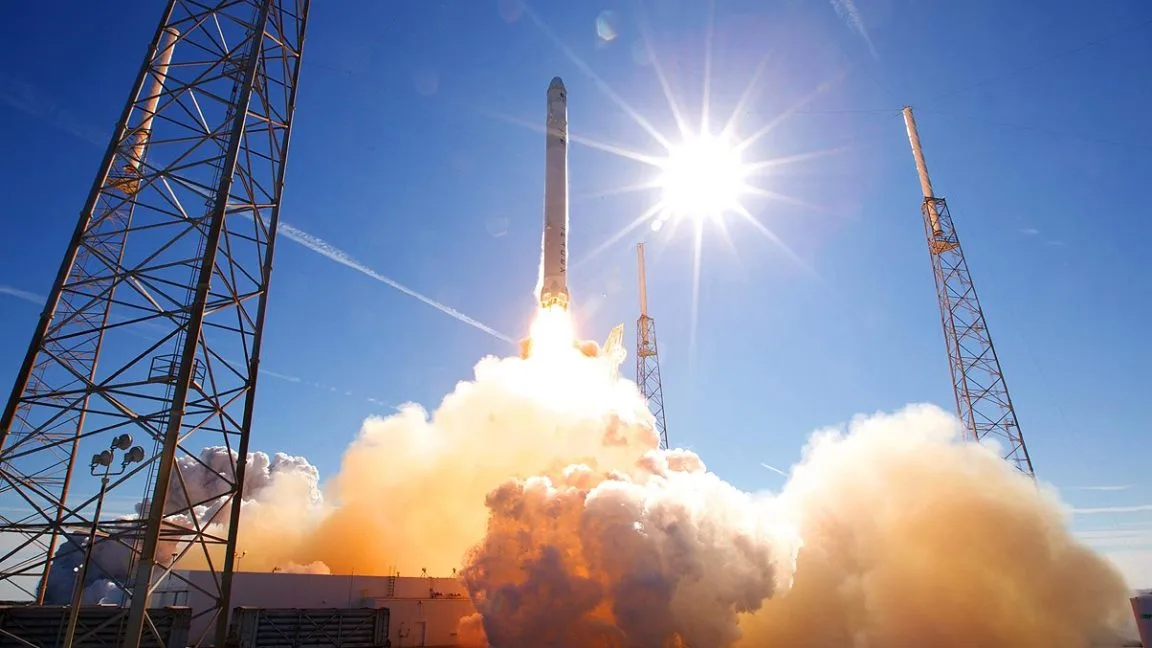
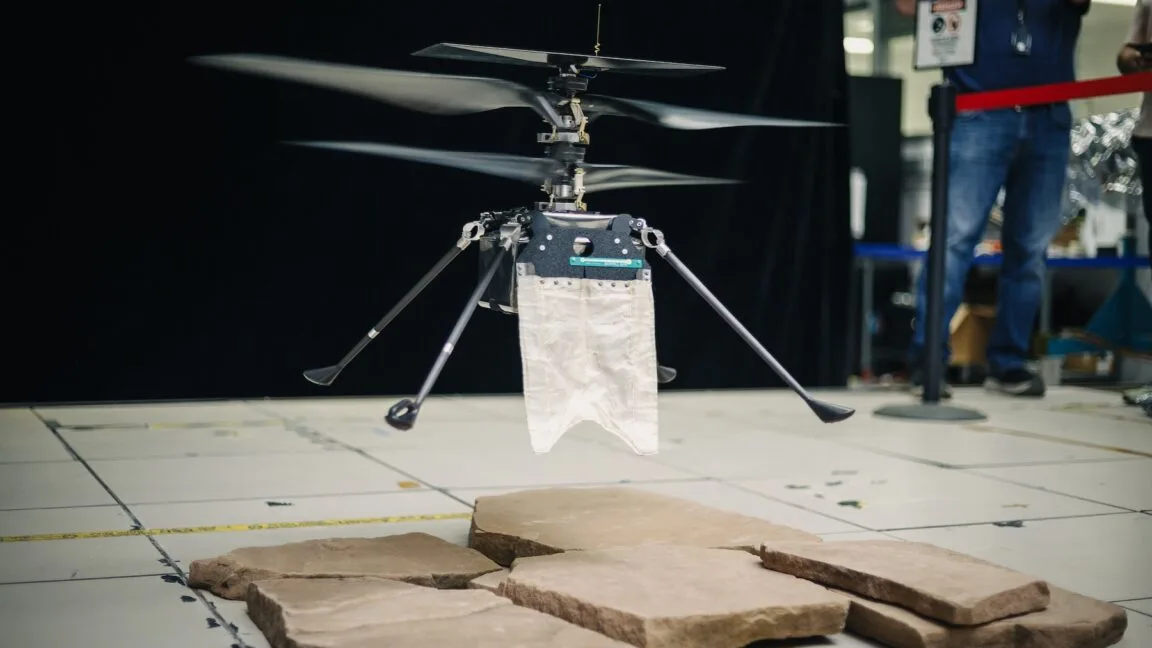
The centerpiece of this new approach is the SkyFall mission. According to recent reporting, this initiative involves a fleet of three helicopters scheduled for launch as soon as late 2028. These drones will not travel alone. They will hitch a ride to Mars aboard the Space Reactor-1 Freedom mission. This partnership allows NASA to maximize the utility of a single launch vehicle for two distinct scientific goals.
The primary objective of the accompanying SR-1 Freedom mission is to demonstrate nuclear electric propulsion in deep space. Estimated to cost $2.1 billion, this project aims to repurpose the core module of the canceled Gateway lunar space station. By turning a lunar asset into a deep space testbed, NASA is finding creative ways to reuse infrastructure. This move highlights a growing industry trend toward modular and repurposable spacecraft components.
The launch schedule for both SR-1 Freedom and SkyFall is notably aggressive. These projects did not even exist in NASA's portfolio six months ago. This rapid development cycle suggests a high level of internal confidence in the technology. It also indicates a desire to accelerate the timeline for advanced propulsion and aerial exploration capabilities.
SkyFall builds directly on the historic success of the Ingenuity helicopter. Ingenuity became the first rotorcraft to fly on another world in 2021. That experimental vehicle proved that powered flight is possible in Mars' thin atmosphere. SkyFall will expand on this proof of concept by deploying a fleet rather than a single unit. This scalability could revolutionize how we survey the Martian surface.
This shift to aerial drones offers distinct advantages over rovers. Helicopters can cover much larger areas in less time. They can access steep terrain and high altitudes that wheels cannot traverse. For AI enthusiasts, this opens up new possibilities for autonomous navigation and real-time data processing. The drones will likely rely on advanced computer vision to map terrain and avoid obstacles.
What this means for you: As AI tools become more integrated with autonomous systems, the skills needed to manage and interpret data from such fleets will grow in value. You can start preparing by experimenting with autonomous drone simulation software. Try using an AI assistant to generate a Python script that simulates a grid-based search pattern for a drone. This workflow helps you understand the logic behind autonomous coverage algorithms used in modern aerial robotics.
Reporting basis: original story
← back to The Wire