the wire · #topnews · 2026-09-12
Google Pixel 11 series review: Is the magic fading?
Cech This Review
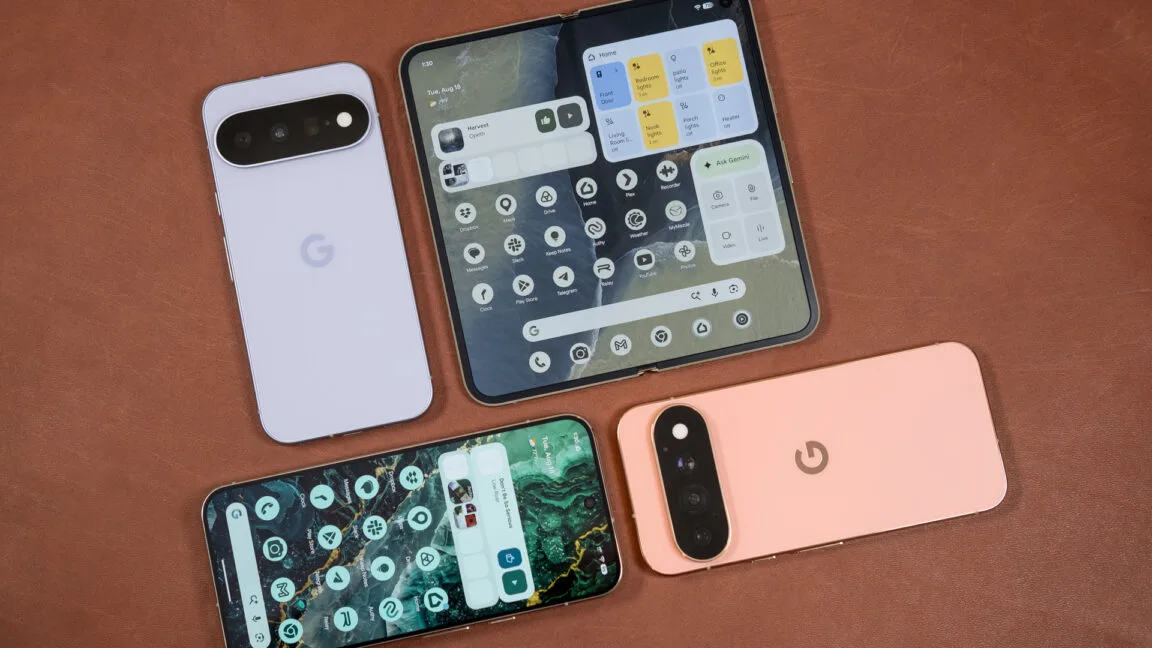
Google has spent years transforming its smartphone strategy from a niche enthusiast project into a mainstream powerhouse. The Pixel lineup is now one of the most polished options on the market, competing directly with Apple and Samsung in a consolidated industry. However, the release of the Pixel 11 series suggests that Google may have become too comfortable with its current success. The result is a device that feels more like an evolution than a revolution, leaving many to wonder if the magic is fading.
According to recent reviews, the Pixel 11 series is undeniably refined. The design language has remained consistent for three generations, offering a sleek aluminum and glass sandwich that looks premium. The screens are incredible, and the software integration remains a standout feature. Yet, this consistency comes at the cost of excitement. The hardware changes are so minimal that they are barely perceptible, with only fractions of a millimeter shaved off the chassis.
This lack of tangible innovation is concerning for a brand that prides itself on being a tech leader. While the phones are not bad, they are arguably boring. The side-by-side comparison with previous models reveals almost no visual distinction. This stagnation ignores the reality that Google is not just competing against rivals like Samsung. It is also competing against its own past iterations. Users expect each new release to offer a clear reason to upgrade beyond the usual annual cycle.
The situation is further complicated by the fact that prices continue to inch upward. When hardware regresses in key areas while costs rise, consumer patience wears thin. The Pixel 11 includes features like Pixelsnap, which adds a nostalgic touch, but it does not compensate for the lack of substantial new technology. The foldable option remains in the lineup, but the core flat phones feel stuck in a rut.
From an AI perspective, this stagnation is particularly interesting. Google has positioned itself as an AI-first company, yet the hardware updates do not reflect a deeper integration of generative capabilities. The software is smart, but the physical device does not evolve to support new AI workflows. This disconnect between software ambition and hardware reality could hinder the user experience as AI features become more demanding.
The broader implication is that Google may be underestimating the need for hardware innovation to support its software vision. In a market where competitors are pushing boundaries with new form factors and materials, playing it safe is a risky strategy. The Pixel 11 is a safe bet, but it may not be enough to retain the enthusiasm of early adopters who drove the brand's initial growth.
What this means for you is that if you are considering upgrading your device, the Pixel 11 may not offer enough incentive if you already own a recent model. The improvements are marginal, and the price increase is hard to justify. However, if you are new to the ecosystem, the software experience remains top-tier. To get the most out of your Pixel, try using the AI-powered photo editing tools to streamline your content creation workflow. You can prompt your assistant to suggest specific editing styles based on your recent photos, allowing you to maintain a consistent aesthetic without manual effort.
Reporting basis: original story
← back to The Wire