the wire · #topnews · 2026-09-11
I rented a car, and within hours, my driver's license was for sale
Cech This Review
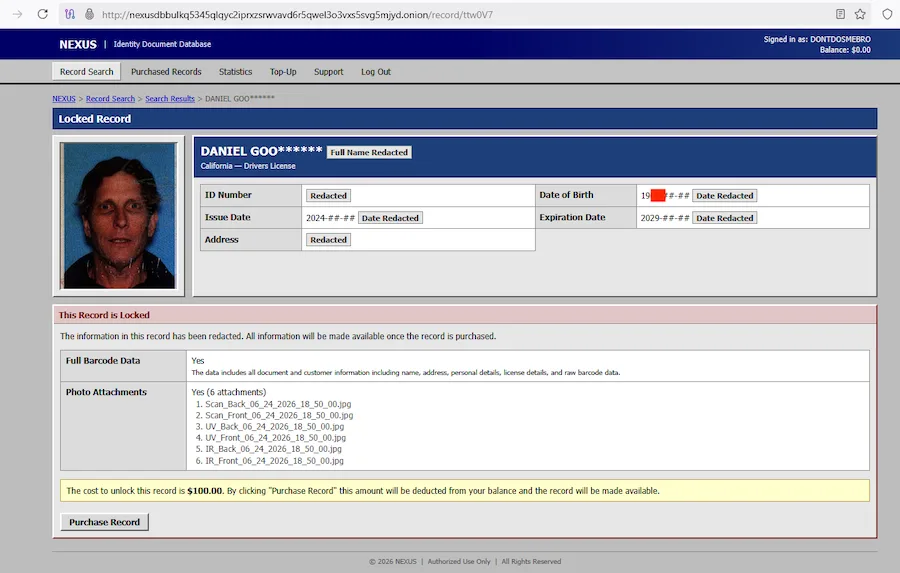
The digital footprint you leave behind is far more permanent and valuable than most people realize. A recent exposé by KrebsOnSecurity sheds light on a disturbing new reality where renting a simple SUV can result in your personal identity being sold to criminals within hours. This is not a hypothetical scenario but a documented event affecting over 153 million individuals through a service called Nexus.
The scale of this breach is staggering. Nexus operates as a dedicated marketplace for stolen identification documents. It is not just selling basic scans but comprehensive digital profiles. These profiles include high-resolution images of both the front and back of driver's licenses. The data is so detailed that it reportedly includes the identities of high-profile targets like journalist Brian Krebs and even an FBI assistant director.
What makes this threat particularly insidious is the technical sophistication of the data collected. The listings do not stop at standard visible light photography. They include infrared and ultraviolet spectrum images of the IDs. These additional formats are crucial for bypassing security features. They allow counterfeiters to create cloned IDs that can pass hologram and material tests used by law enforcement and verification systems.
The source of this massive data leak appears to be tied to the rental car industry. The narrative begins with a customer renting an SUV. Shortly after an employee scans the driver's license, the data appears on the dark web. This suggests a systemic vulnerability in how rental companies handle sensitive personal information. It points to potential insider threats or compromised internal systems that are not adequately secured.
Nexus is not limited to driver's licenses. The service offers a wide array of identification documents for sale. This diversification indicates a mature and organized criminal enterprise. They are catering to a broad market of identity thieves who need various forms of proof of identity. The ease of access and the volume of data available make this a significant threat to personal security.
The implications for AI and data security professionals are profound. This incident demonstrates how physical documents can be digitized and weaponized at scale. It highlights the need for robust data encryption and access controls in industries that handle sensitive personal information. The use of spectral imaging in the stolen data also shows that criminals are leveraging advanced technology to bypass traditional security measures.
What this means for you is that your physical ID is no longer just a piece of plastic. It is a digital asset that can be replicated and used for fraud. You must be vigilant about who has access to your personal documents. Consider using digital ID verification services that do not require sharing full scans. Additionally, monitor your credit reports regularly for any signs of identity theft. To protect yourself, you can use an AI assistant to draft a secure data sharing protocol for your work. Try this prompt: Create a checklist for securely sharing personal identification documents with third parties, focusing on minimizing data exposure and verifying the recipient's security protocols.
Reporting basis: original story
← back to The Wire