the wire · #topnews · 2026-09-12
Our 10 favorite scenes from T2: Judgment Day
Cech This Review
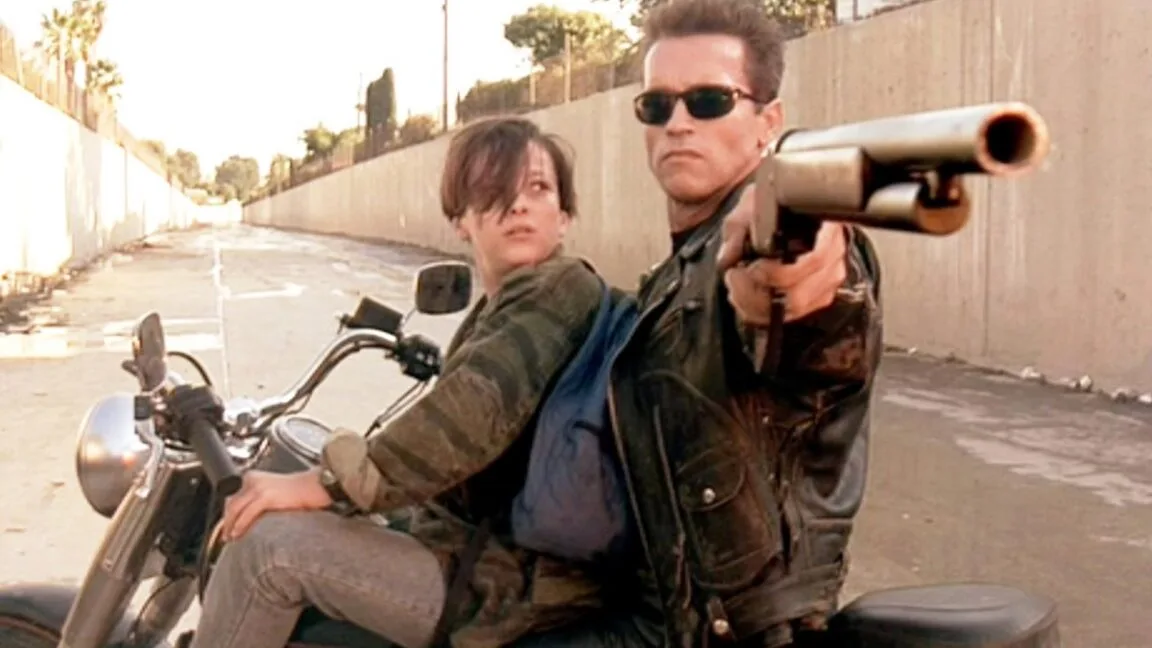
James Cameron’s Terminator 2: Judgment Day is widely considered the gold standard for sequels, and its 35th anniversary is a perfect moment to reflect on why it still holds up. The film is getting a special theatrical rerelease to mark both the anniversary and the fictional date of the nuclear holocaust in the story. This isn't just nostalgia bait. It is a reminder of a time when practical effects and early CGI were merging to create something that felt genuinely dangerous and real.
According to the reporting on this anniversary, the original 1984 film was a modest hit that surprised everyone. It made $78 million against a tiny $6.4 million budget. That financial success gave Arnold Schwarzenegger the leverage to push for a sequel. However, Cameron was busy with Aliens and legal tangles over rights complicated the process. It took Schwarzenegger convincing Carolco Pictures to buy out the rights to get the project moving.
The production challenges highlight a crucial point for modern creators. Great ideas often stall due to bureaucracy or timing. The fact that Judgment Day happened at all is a testament to persistence. For AI developers and entrepreneurs, this is a lesson in navigating the friction between creative vision and corporate reality. You have to be willing to fight for the resources to execute your vision properly.
What makes T2 endure is not just the action but the visual innovation. The T-1000 liquid metal effect was a milestone in computer-generated imagery. It showed that digital effects could be fluid and terrifying rather than just shiny and fake. This shift changed how audiences perceive technology in film. It blurred the line between the human and the machine in a way that feels eerily relevant today.
We are living in an era where AI is becoming more fluid and integrated into our daily lives. The fear of a sentient machine is no longer just a sci-fi trope. It is a practical concern for developers building autonomous systems. The T-1000 represents the fear of technology that can adapt and mimic us perfectly. This is the core anxiety driving current debates about AI safety and alignment.
The anniversary rerelease invites us to look at these themes with fresh eyes. It is not just about cool explosions. It is about the consequences of creating intelligence without empathy. Cameron’s film asks hard questions about destiny and free will. These are questions that AI ethicists are grappling with right now. The film remains a cultural touchstone because it captures the tension between progress and peril.
What this means for you is that you should view technology through a critical lens. Just because something is new and powerful does not mean it is safe or aligned with human values. Use this anniversary to reflect on the AI tools you use in your work. Are they helping you achieve your goals or creating new risks?
Try this workflow with your AI assistant. Ask it to analyze a recent news article about an AI breakthrough. Request a summary of the potential risks and ethical implications mentioned in the text. Then ask the AI to suggest three practical safeguards you could implement in your own workflow. This exercise helps you move beyond hype and focus on responsible implementation.
Reporting basis: original story
← back to The Wire