
the wire · #topnews · 2026-09-13
Satellite operators are in panic mode due to a worsening launch crisis
Cech This Review
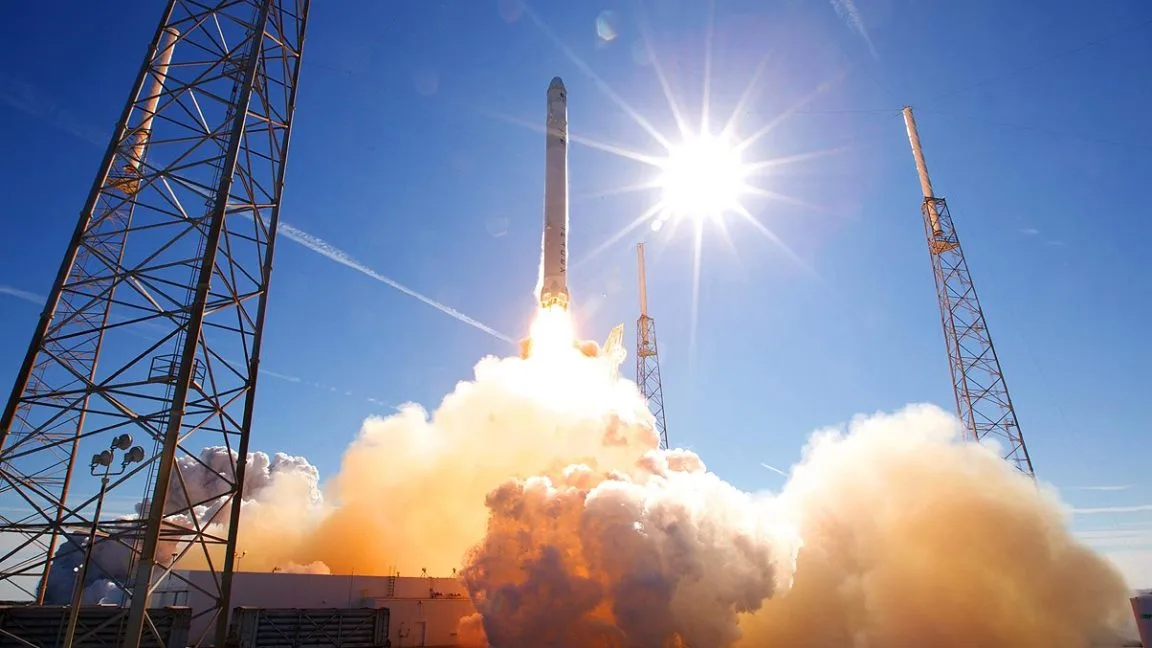
The space industry is currently navigating a strange and counterintuitive moment. According to recent reports, we are living in what should be the golden age of orbital access. Over the last three years, the average number of orbital rockets launching from Earth has hit 270 per year. This figure represents a more than threefold increase compared to just a decade ago. By every standard metric, the launch sector is performing exceptionally well. Prices are highly competitive, and the frequency of launches has never been higher. Access to space is faster and more reliable than ever before in human history.
Yet, beneath this surface-level success, a different reality is emerging. Satellite operators are reportedly in a state of panic. Despite the abundance of rockets, there is a growing crunch in actual launch availability. This paradox suggests that the infrastructure is not keeping pace with the demand it has created. The industry is producing more launch vehicles, but the slots to use them are vanishing. This creates a bottleneck that threatens the business models of companies relying on timely deployment.
This situation highlights a critical shift in the space economy. The barrier to entry for launching payloads has dropped significantly. However, the capacity to absorb that demand has not scaled linearly. Launch providers are likely prioritizing their own constellations or high-value contracts. This leaves smaller operators and emerging satellite companies scrambling for slots. The result is a market where having the money to launch is no longer enough. You also need the political and logistical capital to secure a window.
The implications for AI and data-driven industries are profound. Many modern AI applications rely on real-time data from Earth observation satellites. If these satellites cannot be launched or replaced on schedule, the data pipelines dry up. This creates a lag in information that can hinder everything from climate monitoring to agricultural planning. The panic among operators is not just about profit. It is about the reliability of the global data infrastructure that supports critical decision-making.
We are seeing the growing pains of a maturing industry. The early days of commercial space were defined by scarcity. Today, the challenge is management and prioritization. Launch providers must balance their own ambitions with the needs of external customers. This requires a more sophisticated approach to scheduling and resource allocation. The current panic indicates that the market mechanisms for this balance are not yet fully functional.
For professionals in the tech and space sectors, this is a signal to adapt. Relying on a single launch provider or a narrow window of opportunity is becoming a risky strategy. Diversifying your launch partners and planning for delays should be standard practice. The era of easy access is over. The era of strategic access has begun. You must treat launch capacity as a scarce resource that requires proactive management.
What this means for you: If you are building AI models that depend on satellite data, you need to account for potential delays in data acquisition. Do not assume your data feed will remain constant. Build redundancy into your data ingestion pipelines. Here is a prompt you can use with your AI assistant to stress-test your data strategy: "Analyze my current data pipeline for single points of failure related to satellite data availability. Suggest three alternative data sources or caching strategies that could maintain model performance if my primary satellite feed is delayed by two weeks due to launch constraints."
Reporting basis: original story
← back to The Wire