the wire · #topnews · 2026-09-13
Samsung Galaxy Z Fold 8 Ultra review: The ultra foldable with an ultra price
Cech This Review
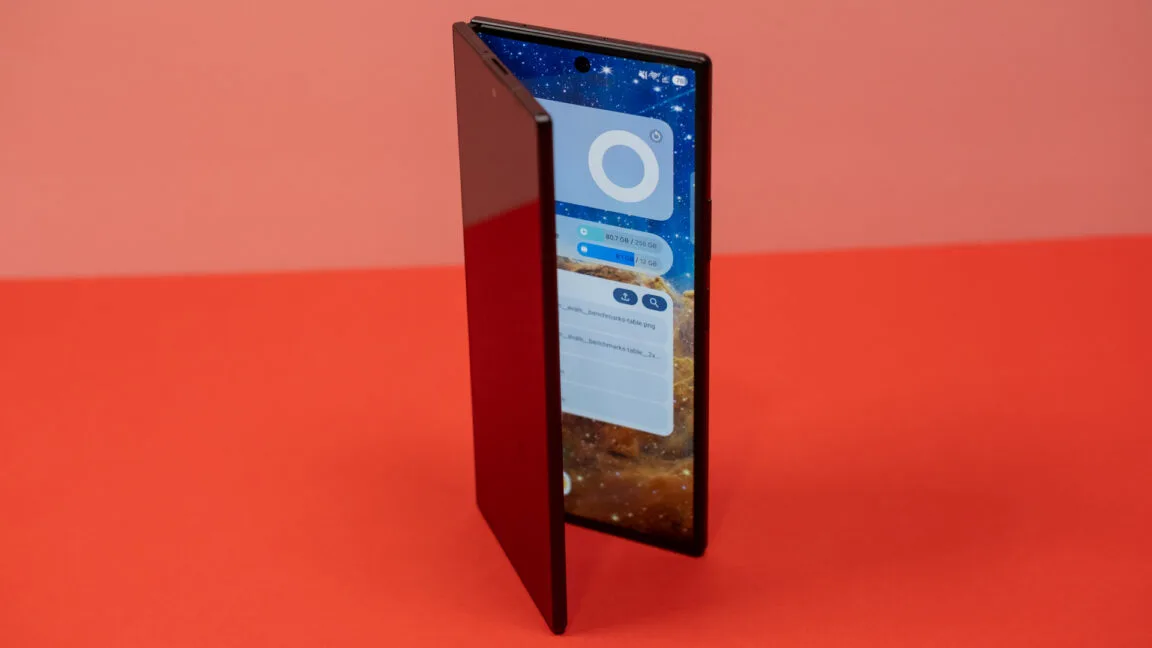
Samsung has long held the crown in the foldable smartphone space, but the landscape is shifting rapidly. According to recent reporting, competitors like Google, Motorola, and various Chinese manufacturers are no longer just following Samsung's lead. They are offering their own distinct takes on flexible displays, challenging the Korean tech giant to justify its premium positioning. The question is no longer who can make a foldable, but who can make the best one without breaking the bank.
The new Galaxy Z Fold 8 Ultra arrives with a name that screams ambition, yet it feels more like a polished iteration than a revolutionary leap. It abandons the wide frame of the standard Z Fold 8 to match the tablet-style proportions of its recent predecessors. This decision suggests Samsung is doubling down on the form factor that users have already come to accept. It is a safe bet that prioritizes familiarity over experimental design risks.
What stands out most is how much Samsung has managed to shave off the physical compromises of folding phones. These devices used to be thick pocket busters, essentially two phones glued together with a hinge in the middle. Through successive yearly improvements, Samsung has reduced the thickness by mere millimeters. The Z Fold 8 Ultra is slightly slimmer than the Z Fold 7, but the difference is barely perceptible to the naked eye.
This incremental approach highlights a mature engineering phase. There is very little left to improve in terms of basic hardware constraints. The compromises that once defined foldables, such as bulk and fragility, have largely been erased. The device feels solid and refined, with buttons and sensors placed in intuitive locations. The fingerprint sensor remains embedded in the power button, a standard that has proven reliable for users.
However, the one compromise that remains stubbornly intact is the price. While the hardware has reached a plateau of refinement, the cost of entry continues to climb. This creates a unique market dynamic where early adopters are paying a premium for marginal gains in thickness and durability. It forces consumers to decide if the convenience of a tablet in your pocket is worth the ultra-premium tag.
From an industry perspective, this signals that the foldable market is entering a consolidation phase. Samsung is no longer trying to educate consumers on what a foldable is. Instead, it is focusing on perfecting the user experience for those who already want one. This strategy allows them to maintain high margins while competitors fight for market share with lower-priced alternatives.
What this means for you As AI tools become more integrated into mobile workflows, the larger screen of a foldable like the Z Fold 8 Ultra offers significant advantages for productivity. You can view more context when reviewing documents or managing complex AI-generated content. Try using an AI assistant to summarize a long report directly on the unfolded screen, then use the smaller outer display to quickly reply to notifications without interrupting your workflow.
Here is a prompt you can use to optimize your foldable workflow:
"Act as a productivity expert. I use a foldable phone for work. Create a step-by-step guide on how to set up a split-screen workflow between a document editor and an AI chatbot to review and edit text efficiently. Include tips for minimizing app switching."
The bottom line is that Samsung has built a near-perfect foldable phone. It is slim, reliable, and powerful. The only question left is whether the price tag aligns with the value you get from that refined experience. For now, it remains the gold standard, even if it is no longer the only game in town.
Reporting basis: original story
← back to The Wire