the wire · #gadgets · 2026-09-12
How Much Solar Power Do You Actually Need For An RV?
Cech This Review
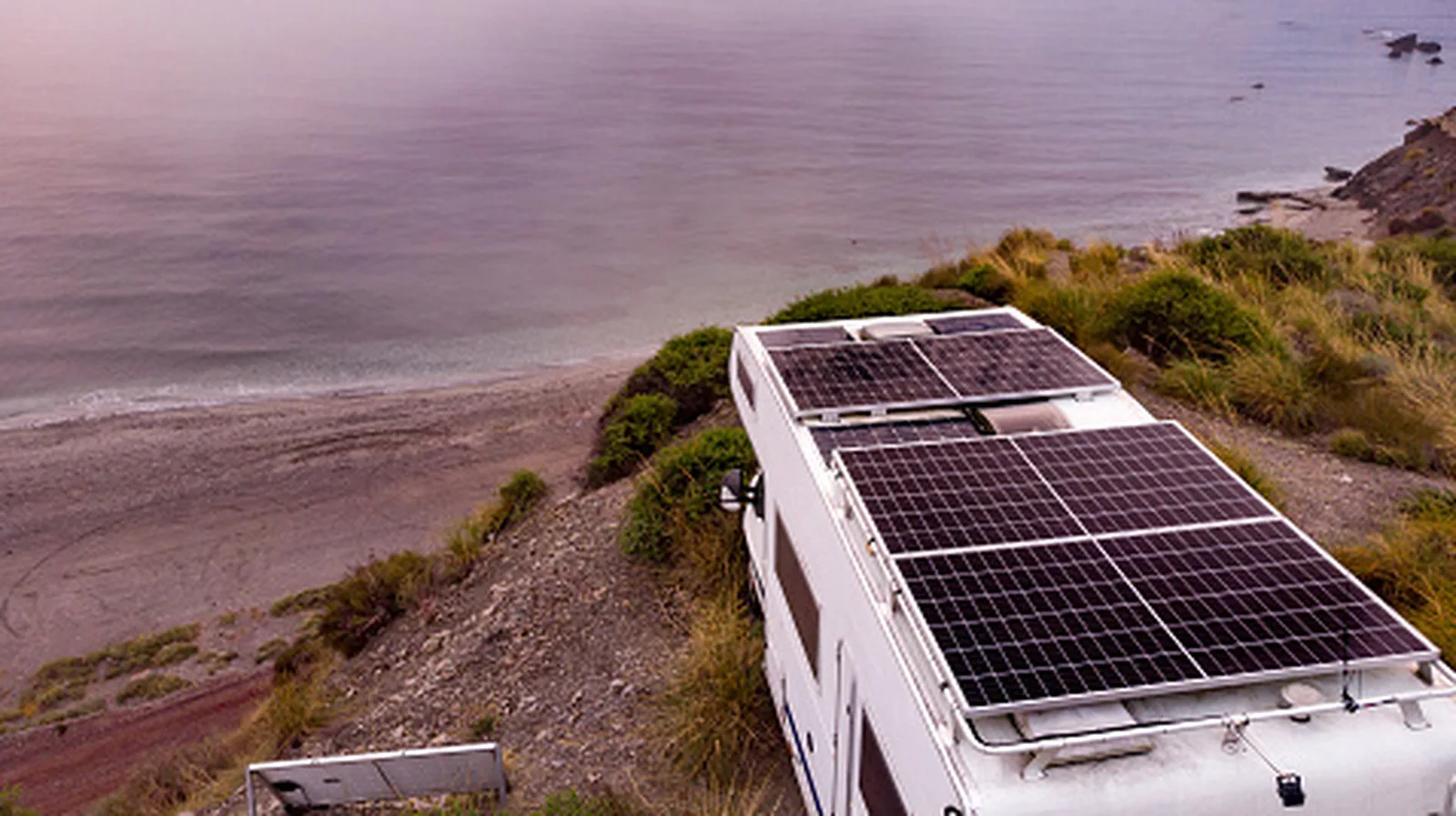
The allure of off-grid living in an RV is undeniable. We all dream of waking up in a remote forest with the hum of a generator replaced by the quiet whisper of solar panels. However, the transition from dreaming to doing requires a stark reality check. According to recent reporting on RV solar needs, the sun is a powerful ally, but only if you respect its limitations and your own consumption habits.
Many enthusiasts make the mistake of buying a panel kit based on aesthetics or brand loyalty rather than data. This approach often leads to a frustrating experience where the batteries never fully charge, leaving you stranded without power for essential devices. The core issue is not the technology itself, but the lack of a precise energy audit before installation.
You must first calculate your total daily watt-hour consumption. This involves listing every device you plan to use, from LED lights to refrigerators and laptops. Multiply the wattage of each device by the hours you intend to run it. This sum gives you your baseline energy requirement. Without this number, any solar installation is essentially a guess.
Theoretical solar output is rarely achieved in practice. Factors like cloud cover, seasonal angle of the sun, and shading from trees or other RVs significantly reduce efficiency. A panel rated for one hundred watts might only produce sixty watts on a partly cloudy day. You need to account for this inefficiency by sizing your system with a healthy buffer.
Battery capacity is just as critical as panel output. You cannot store more energy than your panels can generate, nor can you draw more than your battery bank can safely provide. Lithium-ion batteries are becoming the standard for their depth of discharge and longevity. They allow you to use more of their stored energy without damaging the cells, unlike older lead-acid alternatives.
The broader implication here extends beyond just RV owners. As remote work becomes permanent for many professionals, the need for reliable, off-grid power solutions is growing. This trend is driving innovation in portable power stations and modular solar setups. The skills you learn in managing RV energy can be directly applied to home backup systems or emergency preparedness kits.
What this means for you is that precision beats intuition. Before buying any hardware, use an AI assistant to model your energy needs. You can input your device list and local weather data to simulate daily usage. Try this prompt: "Create a table listing my devices, their wattage, and daily usage hours. Calculate total daily watt-hours and recommend a minimum solar panel wattage and battery capacity for a 70% efficiency buffer."
This analytical approach transforms solar from a gamble into a reliable utility. It allows you to plan your trips with confidence, knowing exactly how much power you have and how to conserve it. The sun is free, but harnessing it effectively requires careful planning and smart technology.
Reporting basis: original story
← back to The Wire
![This unique retro dock adds a flip-up display, Thunderbolt 5, & 8TB storage to your Mac [Video]](https://aideaflow.com/api/img/news/09ee6cfaa15f316e.webp)